What a Quiet Night in the Backcountry Taught Me About Noise
A practical reflection on how voices, cooking, music, and shared campsites shape the backcountry soundscape—and simple habits that help everyone enjoy a more considerate night outdoors.
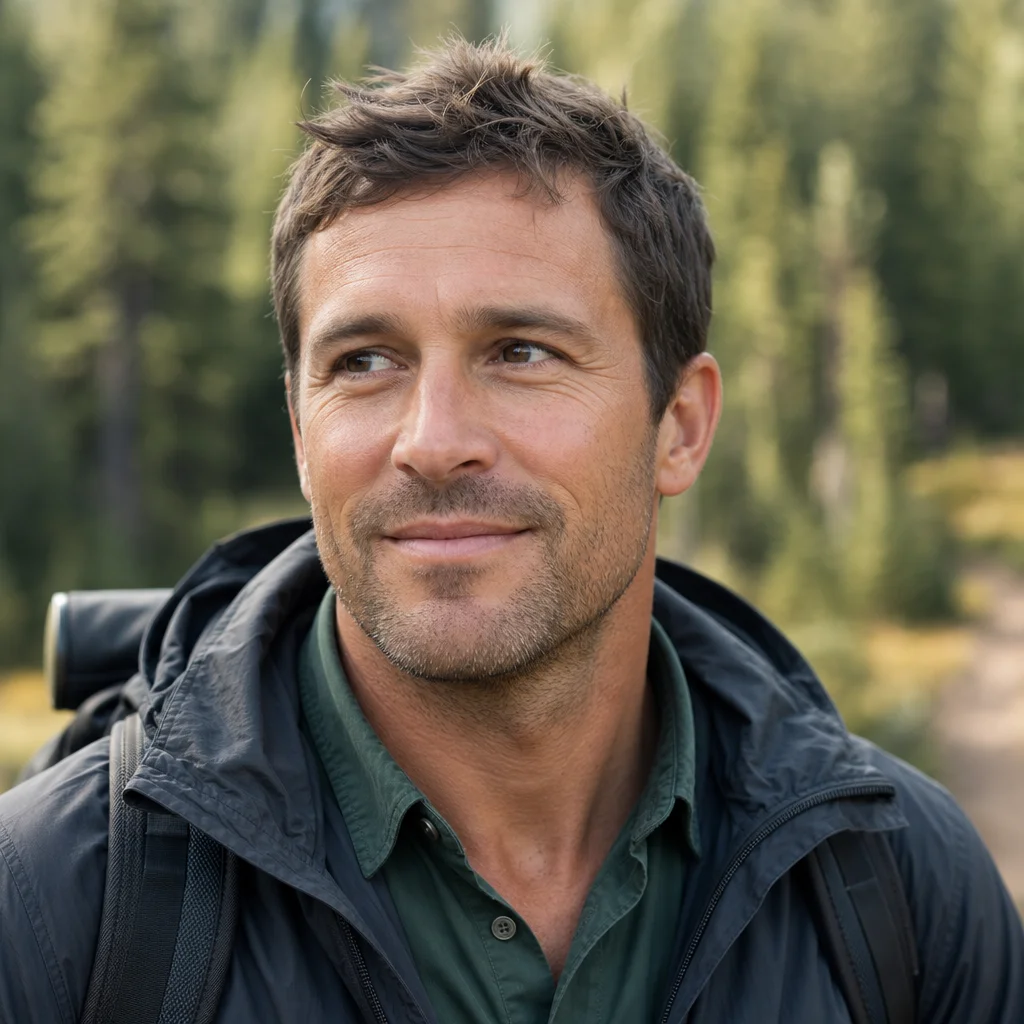
A quiet night in the backcountry can feel almost startling at first. Without traffic, furnaces, nearby televisions, or the general hum of a town, small sounds become much clearer: a stove clicking on, a spoon against a pot, wind moving through spruce, someone speaking two campsites away.
That kind of quiet isn’t empty. It’s shared space. The way we use our voices, prepare dinner, and settle in for the evening can either preserve it or slowly wear it down.
I’ve come to think of noise as another form of campsite impact. It may not leave a trace on the ground, but it still affects the people and wildlife around us. The good news is that being considerate doesn’t require whispering through an entire trip. It mostly means noticing how far sound travels and making a few small choices before someone else has to ask.
Quiet carries farther than you expect
In the backcountry, sound often travels surprisingly well. Water, open rock, hard-packed ground, and calm evening air can carry a conversation much farther than expected. A normal speaking voice at your shelter may be perfectly reasonable to you and still be clearly audible at another site.
This is especially true after dark, when most people have stopped moving around. A laugh, a shouted question, or a dropped pot can seem much louder against the background quiet.
The practical lesson is simple: if you can easily hear another group, assume they can hear you too. That doesn’t mean every sound is a problem. People need to talk, cook, organize gear, and occasionally laugh. It just gives you useful information about the size of the acoustic space you’re sharing.
Voices: talk normally, then lower the volume
Most campsite noise comes from conversation rather than anything dramatic. A group that speaks a little louder to talk over a stove, wind, or several people can gradually become a group that carries on at full volume without noticing.
A quick check helps. Walk a short distance from your site while a companion speaks at your usual volume. You may be surprised by how distinct the words remain. If your campsite is near another group, a trail, or a designated quiet area, bring the volume down earlier in the evening.
There’s no need to police every sentence. Instead, pay attention to the moments when volume tends to creep up:
- when several people are talking at once;
- when someone is telling a story to the whole group;
- when wind or rain makes everyone speak louder;
- when people are calling between tents or across a lake; and
- when the conversation continues after most nearby camps have gone quiet.
Calling to someone across camp is particularly effective at turning a peaceful evening into a public announcement. If possible, walk over, use a signal agreed on beforehand, or send a message when there’s coverage. On a small site, a calm voice carries plenty far enough.
Cooking has its own soundtrack
Cooking outdoors can be noisy in ways that are easy to overlook. Pots scrape on rocks, fuel canisters clatter, tent zippers rasp, and a spoon seems to find the hardest possible surface every time it’s set down.
None of these sounds is terrible on its own. The cumulative effect is what matters, particularly when someone nearby is trying to sleep or enjoy a quiet evening.
A few habits make camp kitchen noise less intrusive:
- Put a small cloth, sit pad, or folded shirt under pots and bowls when you can.
- Set metal items down rather than dropping them onto rocks or picnic tables.
- Organize ingredients before turning on the stove, so you’re not rummaging through bags repeatedly.
- Keep lids, fuel, and utensils in one place instead of moving them around the site.
- Finish washing and packing up before you’re tired enough to become careless.
The last point is more important than it sounds. Late-night noise often comes from a tired person trying to find one missing item in the dark. Keeping a simple cooking system during daylight saves both time and racket later.
Of course, food storage and cleaning still need to follow the requirements of the area you’re visiting. Local rules may specify how food, waste, and scented items must be secured, and those requirements take priority over convenience.
Check the site’s evening expectations: Before settling in, look at the current park, campsite, or permit guidance for quiet hours, food storage, and generator restrictions. Rules differ between public and private sites, and they may change with fire, wildlife, or seasonal conditions.
Music belongs to the people who can hear it
Music is more complicated because it can be a meaningful part of a trip. A quiet song while making dinner or a shared playlist among friends may feel harmless. The trouble begins when the music becomes the background for everyone else as well.
Headphones are the most reliable solution when you want music after the evening has settled. If the whole group wants to listen together, keep the volume low enough that a person outside the circle can’t hear every lyric. A useful test is whether you can speak comfortably without raising your voice over the music.
Speakers are especially noticeable near lakes, on open rock, and in narrow valleys. Sound can bounce off water and stone, making a modest volume travel farther than expected. It also removes the ability of nearby campers to opt out. They may have come outside specifically to hear wind, birds, or nothing at all.
This isn’t an argument against music in the outdoors. It’s an argument for treating it as a shared decision. If someone at your site wants to turn in early, switch to headphones or end the soundtrack. The person who prefers quiet shouldn’t have to negotiate for it repeatedly.
Shared campsites require more awareness
Some campsites are naturally social. A busy frontcountry campground, a hut, or a popular backcountry shelter will never offer complete solitude. In those settings, reasonable conversation and ordinary movement are part of the experience.
Still, shared space works better when people notice the difference between necessary noise and optional noise. A stove, a whispered plan about the weather, and someone getting up for water are ordinary. A late-night game, amplified music, or a long conversation at full volume is a choice.
The layout matters too. If your tent is close to another sleeping area, move group conversation toward the centre of your site rather than the edge. Don’t use the path between sites as your sitting room. At a shelter, put noisy gear where it can be reached without opening and closing every bag beside someone’s bunk.
Morning deserves the same consideration. An early start may be necessary, but it can still be quiet. Pack most of your gear the night before, avoid slamming car doors or bear canisters, and use a headlamp pointed at the ground rather than sweeping it across other tents.
Quiet is also a safety habit
Noise awareness isn’t only about courtesy. It can improve your own judgement. When a group is constantly talking, playing music, or moving gear around, it’s easier to miss changes in weather, approaching people, or signs that something nearby needs attention.
Quiet also makes it easier to communicate clearly when communication matters. If a companion is injured, lost, or becoming unwell, a group accustomed to shouting over background noise may take longer to notice and respond.
This doesn’t mean silence is a safety requirement. In some situations, making noise is sensible—for example, when visibility is poor, wildlife awareness calls for it, or a group needs to stay in contact. The point is to use noise deliberately rather than treating it as the default setting.
A considerate evening routine
My preferred approach is simple: make the noisy parts of camp efficient, then let the evening get quieter naturally.
Cook while there’s still enough light to see what you’re doing. Keep the evening’s essential gear close at hand. Decide when the group will switch from normal conversation to a lower volume. If music is part of the plan, agree on how it will be shared. Before bed, take one last look around for loose items that could rattle in the wind or force you to search through bags later.
You don’t need a complicated code of conduct. A brief question—“Can you hear us clearly from there?”—can reset the volume without making anyone defensive.
The best campsite etiquette is usually quiet and unremarkable. Nobody needs to praise you for not disturbing them. They should simply be able to enjoy their own evening, whether that means talking with friends, listening to the forest, or going to sleep early.
What to practise on your next trip
Before your next overnight, try three small changes:
- Pack your cooking system so the items you use most are easy to find.
- Test how far your normal conversation carries once camp has quieted down.
- Choose a specific time to switch from shared music or group conversation to a quieter routine.
A backcountry night doesn’t have to be perfectly silent to be memorable. It just needs room for more than one group’s version of a good evening. When we treat noise as part of our impact, we make that room a little larger for everyone.