Choosing Between Coastal and Alpine Backpacking in Washington State
A practical comparison of coastal and alpine backpacking in Washington State, including terrain, weather, water, crowds, permits, and the skills each route style demands.
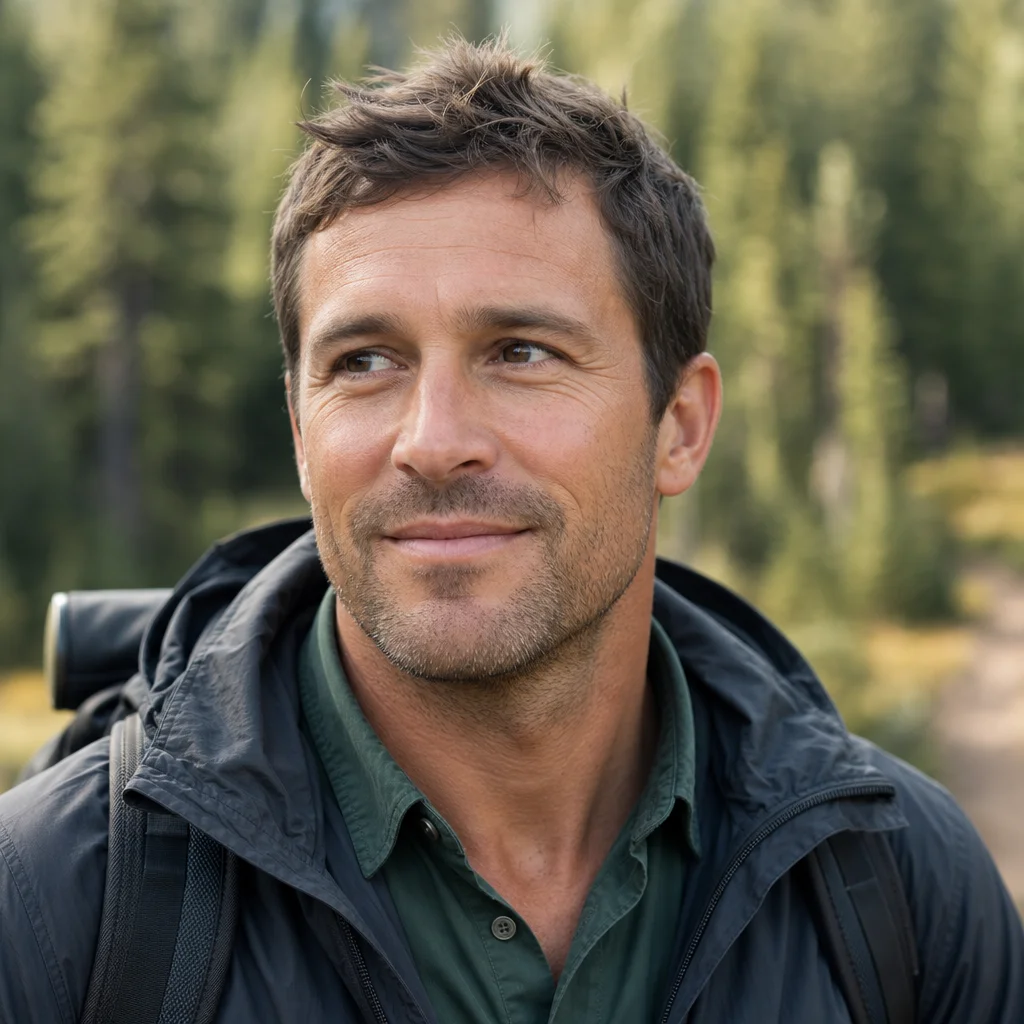
Washington State gives backpackers two very different ways to spend a night outside. Along the Pacific coast, you may walk beaches, forested headlands, and tidal shelves with the sound of surf in the background. In the mountains, you may climb above the trees into open basins, snowfields, and camps surrounded by sharp ridgelines.
Both styles can be excellent, but they reward different planning. Coastal routes aren't automatically easier, and alpine routes aren't simply longer hikes with better views. Your choice should reflect the season, your comfort with navigation and exposure, your tolerance for wet weather, and how much uncertainty you’re prepared to manage.
The main difference: what kind of problem do you want to solve?
Coastal backpacking is largely a problem of timing and conditions. Tides, surf, slippery rocks, wind, and wet camps can determine whether a section is straightforward or unsafe. Distances may look modest on a map, but progress can slow dramatically when you’re waiting for a tide window or picking your way across rough shoreline.
Alpine backpacking is more often a problem of elevation and route-finding. You may gain thousands of metres over a multi-day trip, cross lingering snow, and travel over talus or exposed terrain. Weather can change quickly, and a route that is obvious in clear conditions may become difficult in cloud or smoke.
I’d choose the environment that matches the skills I’m interested in using—not just the scenery I’d like to photograph.
Terrain and physical effort
Coastal routes
Washington’s coastal routes commonly combine beach walking with forest trails, headlands, ladders, ropes, mud, and stream crossings. A beach can be relatively flat, but sand, cobbles, driftwood, and a loaded pack make it tiring. Walking on a hard, sloping shoreline can also put more strain on your ankles than a maintained trail.
Headland sections may require climbing ladders or using fixed ropes. These features aren’t necessarily technical climbing, but they can be awkward with a large pack, especially when wet. Some coastal routes also involve detours around impassable cliffs or sections that can only be crossed safely during a suitable tide.
Alpine routes
Mountain routes usually demand more sustained climbing. Even a moderate distance can be strenuous when the trail gains elevation, loses it, and then climbs again. Rocky ground, roots, scree, and snow can make the effort less predictable than the map suggests.
In early or late season, an alpine route may require traction devices, an ice axe, or snow travel skills. Those tools only help if you know how to use them. A steep snow slope can be more serious than its distance or appearance suggests, particularly above cliffs or beside a stream crossing.
If you prefer shorter daily distances but don’t mind awkward footing and tide planning, the coast may suit you. If you prefer a more predictable trail surface and are comfortable with climbing, the alpine option may be a better fit—at least in the right season.
Weather: wet and exposed in different ways
The coast is famous for rain, but the important issue isn’t just the forecasted amount. Coastal weather can mean persistent drizzle, strong wind, sea spray, wet vegetation, and campsites that never quite dry. Waterproof clothing and a genuinely reliable shelter matter. So do dry storage systems for your sleeping bag and spare clothes.
Alpine weather can be drier and sunnier, but it often carries greater consequences when it turns. Thunderstorms, sudden cloud, cold rain, high winds, and poor visibility can affect ridges and passes. Snow can remain well into summer in higher terrain, while smoke from wildfires can reduce visibility and affect breathing during the warmer months.
The coast may leave you damp for two days. The mountains may leave you exposed for two hours. Neither is inherently safer; they simply punish different gaps in preparation.
Water and camp logistics
Water is often easier to find on coastal routes because streams and wet forest are common. That doesn’t make every source safe or convenient. Streams can be difficult to reach from a beach, and water near camps or heavily used areas should be treated or filtered according to current public-health guidance.
Salt water isn't a backup supply. Carry enough water to reach a reliable freshwater source, particularly if a tide or headland could delay you.
Alpine water availability is more seasonal. Snowmelt may provide abundant water in one basin and leave another dry. Small tarns and shallow pools can be unreliable, and popular camps may have limited sources late in the season. Check recent route information rather than relying on a map symbol alone.
In either setting, plan your water around the day’s difficult section. A coastal headland or alpine pass is a poor place to discover that the next source is farther away than expected.
Check your route’s current conditions: Before committing to dates, confirm tide restrictions, stream crossings, snow conditions, water reports, closures, and any permit or camping requirements with the relevant land manager. Conditions and rules can change during the season.
Crowds, solitude, and campsite expectations
Coastal backpacking can feel remote, but the most accessible beaches and famous Olympic Peninsula routes may be busy during favourable summer weekends. Campsites are limited, and arriving late can create a problem even when the route itself is quiet. Some coastal areas also have strict rules about where camping is allowed.
Alpine routes vary more dramatically. Popular trailheads and classic mountain basins can fill early, while less famous routes may offer considerable solitude. The trade-off is that quieter routes often demand stronger navigation, more elevation gain, or less certainty about the trail.
If solitude is a priority, look beyond the headline destination and consider a shoulder-season trip—provided you understand the associated weather and road risks. A less popular route isn’t automatically less crowded, safer, or easier to permit.
Navigation and route-finding skills
Coastal navigation can look simple because the ocean provides an obvious boundary. That assumption causes trouble. Forest trails may be faint, headland bypasses can be confusing, and fog can remove visual references. Tide tables are part of route-finding, not an optional extra.
You need to know where the shoreline is safe to walk, which sections require a low tide, and what you’ll do if the water is higher or rougher than expected. Never assume that a route described as a beach walk is passable at every hour.
Alpine navigation is usually more map-intensive. Trail junctions can be covered by snow, cairns may be unclear, and an official route may cross broad open slopes without an obvious path. A GPS track is useful, but it shouldn’t replace a map, compass, and the ability to make decisions when the track leads into unsafe terrain.
For an intermediate backpacker, the key question is whether you can turn around early. On the coast, that may mean waiting for a tide or retreating before a headland. In the mountains, it may mean abandoning a pass before weather or snow makes the descent dangerous.
Wildlife and food storage
Both environments require careful food storage and clean camp habits. Coastal camps may have raccoons, rodents, and other animals accustomed to visitors. Alpine areas can also have rodents and larger wildlife, depending on the region and season. Keep food, rubbish, toiletries, and scented items secured according to local requirements.
Don’t wash dishes or leave food scraps near camp. A small amount of care helps protect wildlife and prevents the next person from inheriting an avoidable problem.
Permits, regulations, and access
Washington’s public lands are managed by different agencies, and requirements can vary between national parks, national forests, state lands, and wilderness areas. A route may need an advance reservation, a wilderness permit, a camping permit, a vehicle pass, or a specific form of food storage. Roads and trailheads can also close because of storms, fire activity, construction, or seasonal conditions.
The correct permit is part of route planning, not an administrative detail to sort out at the trailhead. Check the current requirements for the exact route, campsite, access road, and dates. If you’re travelling from Canada, allow extra time for border, transport, and vehicle logistics rather than building a tight schedule around a single ferry or trailhead arrival.
Which style should you choose?
Choose coastal backpacking if you:
- Enjoy wet-weather camping and changing conditions.
- Are comfortable planning around tides and surf.
- Don’t mind ladders, ropes, mud, driftwood, or uneven shoreline.
- Prefer moderate elevation gain but accept slower, less predictable travel.
- Can protect your shelter and sleeping gear from persistent moisture.
Choose alpine backpacking if you:
- Enjoy sustained climbs and high-elevation scenery.
- Are prepared to navigate above treeline or across snow.
- Can recognize when weather, exposure, or route conditions are deteriorating.
- Prefer a route where the main challenge is elevation rather than tidal timing.
- Have the equipment and skills for the season you’re entering.
There’s also a sensible middle option: start with a lower-elevation mountain route or a short coastal overnighter before committing to a longer trip. Use it to test your shelter, footwear, water system, and decision-making in the kind of conditions you expect to encounter.
A practical way to make the decision
Compare candidate routes using five questions:
- What is the hardest section? A tide-dependent headland, a steep snow slope, a long climb, or an exposed ridge?
- What happens if conditions worsen? Is there a safe retreat, or could you be committed by tide, terrain, or distance?
- How reliable are water and campsites? Check recent reports, not just old trip descriptions.
- What equipment is genuinely required? Include navigation tools, traction, shelter, dry storage, and emergency communication.
- What is the current access situation? Confirm permits, closures, road conditions, reservations, and seasonal restrictions.
The best Washington backpacking trip isn’t necessarily the one with the highest summit or wildest beach. It’s the one whose main challenges match your preparation, leave room for changing conditions, and still gives you sensible options when the forecast or trail doesn’t cooperate.
Start by choosing one route style, then build a conservative itinerary around its defining hazard: tide and wet weather on the coast, or elevation, snow, and exposure in the alpine. Check the current information, practise the skills you’ll need, and leave enough margin to turn around. Those steps make either landscape considerably more enjoyable.