A Quiet Fall Backpacking Route in Southern Quebec for Hikers Who Prefer Short Days
How to plan a lower-mileage autumn trip while accounting for daylight, cold nights, foliage-season demand, and changing trail conditions.
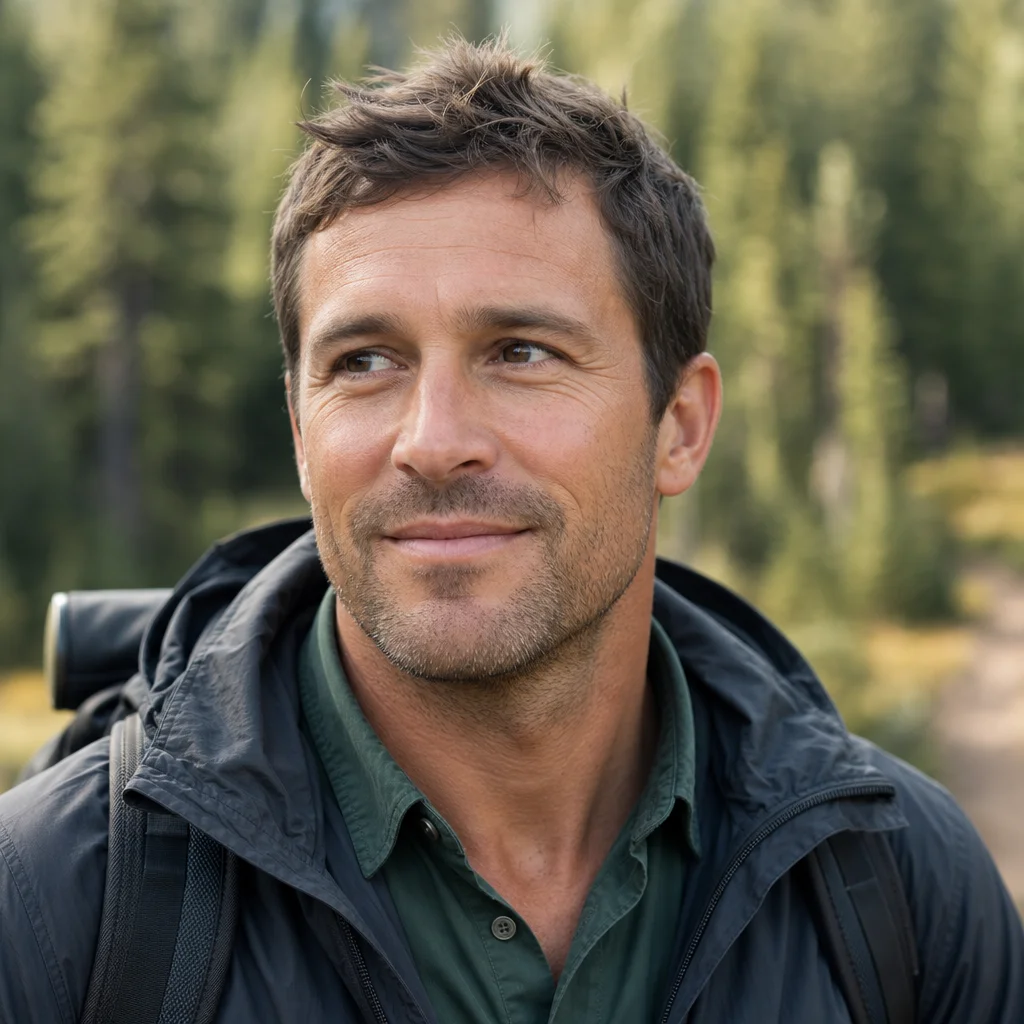
Southern Quebec is at its best in autumn: cooler walking temperatures, fewer insects, and hillsides turning yellow, orange, and red. It’s also when a modest backpacking trip can become more complicated than expected. Daylight fades quickly, campsites fill during peak foliage, and a trail that was dry in September can be wet, icy, or leaf-covered a few weeks later.
For a quieter, lower-mileage trip, I’d start with Parc national du Mont-Tremblant, particularly the La Diable or Lac-Monroe area. It’s close enough to reach without making the drive the main event, but large enough to offer a sense of distance. The key isn't to chase a long loop. Instead, build a two- or three-night itinerary around one permitted backcountry campsite or a small cluster of sites, with short walking days and room to change plans.
Why this area suits short autumn days
Mont-Tremblant has a useful combination of forest trails, lakes, hills, and established camping infrastructure. That makes it more forgiving than a remote route when the weather turns or someone discovers that autumn packs feel heavier than expected.
The park isn't automatically quiet, especially during the late-September and early-October foliage period. Still, a midweek trip, an early-season autumn departure, or a stay outside the busiest viewing weekends can make a noticeable difference.
The terrain is also varied enough for a relaxed trip. You can walk a few kilometres between a parking area, a campsite, and a lake without needing to commit to a major ridge traverse. That matters when sunset arrives before you expect it.
A sensible three-day route pattern
Rather than treating this as a fixed, turn-by-turn route, use the current park map to assemble the following itinerary. Trail names, campsite availability, access roads, and permitted overnight areas can change, so the official map should determine the final version.
Day 1: Walk in before lunch
Aim for roughly 5 to 8 kilometres, depending on elevation and pack weight. Start early enough that you can reach camp with several hours of daylight remaining. This leaves time to find the site, collect water, set up shelter, and deal with a damp sleeping bag or a stove that refuses to cooperate.
A short first day is especially useful if you’re driving from Montreal, Sherbrooke, Ottawa, or another distant starting point. Long drives followed by ambitious hiking are a reliable way to begin a trip tired and behind schedule.
Choose a campsite near a lake or established water source if the current site map allows it, but don’t assume every lakeshore is suitable for collecting water. Bring a filter and check the park’s current guidance on treatment.
Day 2: Make it a base-camp day
This is where the route becomes quiet instead of merely short. Leave most of your gear at camp and take a 4- to 8-kilometre day hike, using an official trail or a permitted connection shown on the current map.
A base-camp day gives you several advantages:
- You carry a light daypack rather than your full overnight load.
- You can turn around if the trail is slick or the weather worsens.
- You don’t need to pack and unpack in the dark.
- You have time to enjoy the forest instead of measuring every hour by distance.
In autumn, I’d favour a lake circuit, lookout, or gently rolling forest route over a demanding summit. The best view isn’t worth much if reaching it leaves you descending wet rock in fading light.
Day 3: Leave plenty of margin
Plan another 5 to 8 kilometres back to the vehicle or exit point. If the drive home is long, consider an even shorter walk and pack up after breakfast.
A late start can be tempting on a cold morning, but wet tents and frozen fingers make camp chores slower. Pack your sleeping system before breakfast if possible, then use the remaining daylight for a relaxed walk out.
If the forecast is poor, the route can become a one-night trip without turning into a failed adventure. That flexibility is one of the main reasons to choose a developed park for an autumn overnight.
Check your autumn access plan: Before leaving, confirm the park’s current reservation requirements, campsite assignment, road and trail closures, parking rules, fire regulations, water guidance, and wildlife notices. Also check the forecast for the park itself rather than relying on conditions in the nearest town.
How to keep the days genuinely short
Distance alone doesn’t determine whether a day feels easy. Elevation, slippery roots, route-finding, and a heavy pack can turn 7 kilometres into a full day.
For a comfortable autumn itinerary, I’d use these limits:
- Keep moving distance below what you comfortably manage in summer.
- Treat every significant climb as part of the day’s distance, not an extra detail.
- Plan to arrive at camp at least two hours before sunset.
- Avoid adding a viewpoint “because it’s close” unless the return route is clear.
- Leave enough time for water collection and cooking.
Fallen leaves can hide rocks, roots, and muddy depressions. After a freeze, wet boardwalks and shaded stone can become slippery. Trekking poles are useful, but they don’t replace slower foot placement.
Expect cold nights, even after mild afternoons
Southern Quebec can feel warm while you’re walking and properly cold once the sun disappears. A clear autumn night may bring temperatures close to freezing, and damp conditions can make it feel colder than the forecast suggests.
Your sleeping bag or quilt should be suitable for the expected overnight low, with some margin for your personal comfort. A sleeping pad’s insulation matters just as much as its temperature rating. If the pad is thin or poorly insulated, the ground will draw heat from you all night.
Pack dry sleep clothing in a waterproof bag. A light toque, warm socks, and a puffy jacket can make camp far more pleasant, particularly when you’re sitting still during dinner. Don’t use your sleeping bag as your main camp clothing if it risks getting wet or dirty.
For cooking, allow extra time. Cold fuel, stiff fingers, and an early sunset all slow the evening routine. Keep the stove and fuel accessible rather than burying them at the bottom of your pack.
Water, food, and wildlife habits
Autumn water sources may be lower than they were during summer, and some small streams can disappear after a dry spell. Carry enough capacity to manage the distance between reliable sources, then treat all backcountry water according to current park guidance.
Choose food that works without a long cooking process. A hot meal is welcome on a cold evening, but instant rice, soup, noodles, or a simple dehydrated meal are easier than recipes requiring several pots and complicated preparation.
Store food, garbage, and scented items as the park requires. A cool night doesn’t remove the need for wildlife precautions. Keep your cooking area tidy, pack out every scrap, and never leave food unattended while exploring around camp.
Timing the foliage without making the trip frantic
Peak colour varies by elevation, weather, and year. Lower areas may still be mostly green while higher slopes have already changed, or a windy storm may strip leaves quickly. Treat foliage forecasts as a rough planning aid rather than a guarantee.
If quiet trails matter more than peak colour, travel midweek and avoid holiday weekends. Starting early also helps. Many visitors arrive later in the morning for day hikes, while overnight hikers who start at first light can enjoy a calmer trail.
For the best balance of colour and manageable conditions, an early- to mid-autumn trip is often easier than waiting for the final dramatic weekend. You’ll usually have more daylight and less risk of ice than later in the season, though conditions still need checking.
A practical packing list for this route style
For a short, base-camp-oriented trip, I’d bring:
- A shelter suited to wind and rain
- An insulated sleeping system with a sensible temperature margin
- An insulated sleeping pad
- Waterproof layers and a warm camp layer
- Trekking poles and footwear with dependable grip
- Headlamp with fresh batteries or a full charge
- Map and compass, even if you expect good phone coverage
- Water filter or other approved treatment method
- Extra food for one unplanned night
- First-aid supplies, blister care, and personal medication
- Fire-starting supplies if fires are permitted, used only according to current rules
- Power bank, charging cable, and an emergency communication option if appropriate
A pack that feels reasonable in July may feel unnecessarily heavy when you add warmer clothing, a more substantial sleeping bag, and extra fuel. Weigh the full load before leaving and remove items that don’t support warmth, safety, navigation, food, or comfort.
The quiet-trip formula
The best version of this route is deliberately undramatic: arrive early, walk a few kilometres, set up before dark, spend a day exploring without the full pack, and leave enough margin to change plans.
Use Mont-Tremblant’s current maps and reservation system to choose the exact access point and campsite. If the popular areas are full, shift the dates rather than forcing a longer route. A short autumn backpacking trip should leave you with time to notice the cold air, the changing leaves, and the sound of the forest—not just the distance still remaining.
For practical next steps, choose two possible midweek date ranges, check the official park information for both, reserve the campsite that matches your walking ability, and build the itinerary around arriving at camp well before sunset.