A Practical Plan for Managing Anxiety During a Solo Overnight
A practical, calm approach to handling nerves on your first solo overnight, from preparing a simple check-in plan to recognizing when anxiety signals a genuine safety problem.
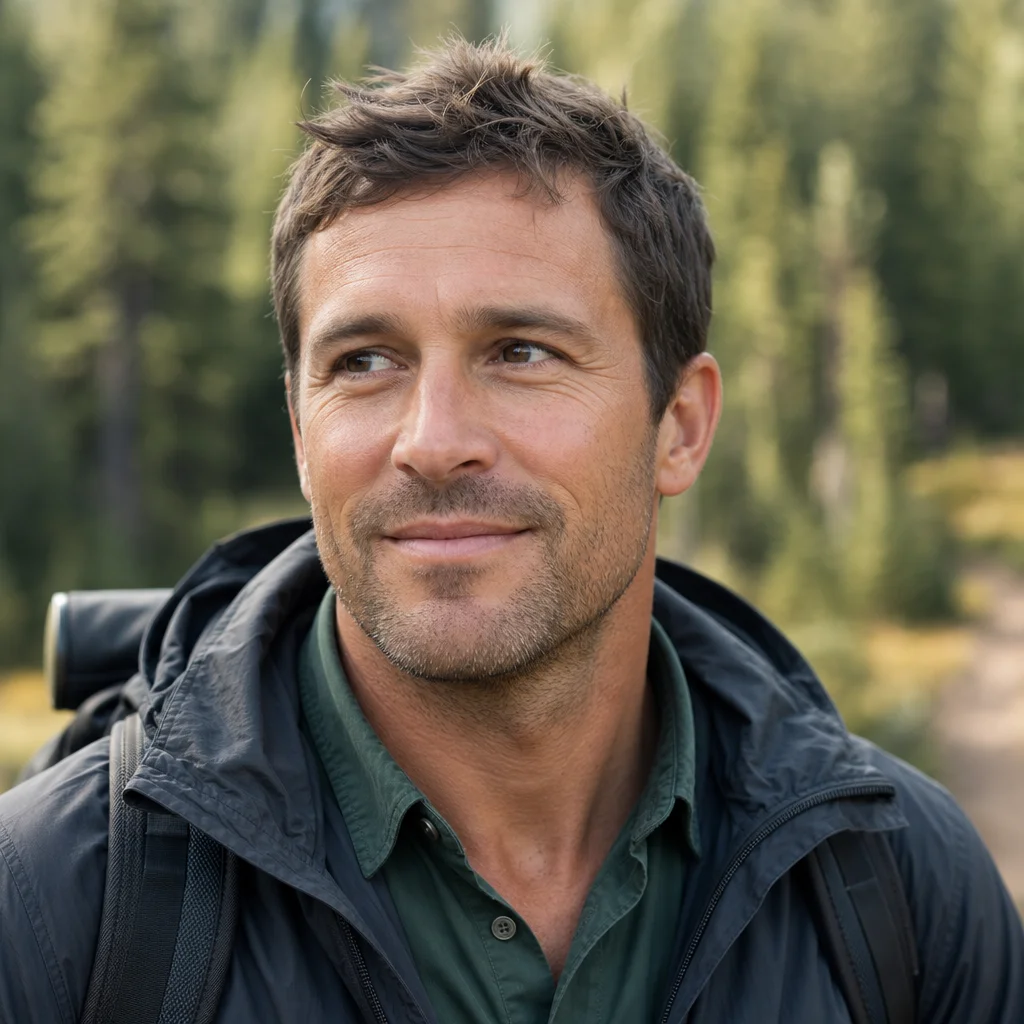
Going solo for the first time can feel exciting right up until the trailhead gets quiet. Then every unfamiliar sound may seem important, and a small doubt—Did I take the right turn? Is that weather moving in?—can grow quickly.
Some nervousness is a normal part of a first solo overnight. It can keep you attentive and encourage sensible preparation. The challenge is telling ordinary uncertainty from a situation that needs action, then making decisions without letting panic take over.
This plan is designed to help you prepare, settle yourself at camp, and respond clearly when something feels wrong.
Know the difference between nerves and a safety concern
Anxiety can produce real physical sensations: a racing heart, tight chest, trembling, nausea, sweaty palms, or a strong urge to leave. Those sensations don't automatically mean you’re in danger. They may be your body reacting to unfamiliar surroundings, fatigue, darkness, cold, or the responsibility of making every decision yourself.
Normal first-night nerves often look like:
- Feeling uneasy about being alone but still able to follow your plan
- Noticing ordinary sounds and imagining unlikely explanations
- Wanting to check your shelter, map, or pack repeatedly
- Feeling calmer after eating, drinking, resting, or contacting your check-in person
- Being able to think through options, even if you feel uncomfortable
A safety concern is more likely when there is a specific, observable reason to act. Examples include an injury that limits movement, worsening weather beyond your equipment or skills, a damaged shelter, signs of wildfire or flooding, a lost route with no reliable way to relocate, or symptoms of hypothermia, heat illness, or another medical problem.
You should also treat a strong sense that you can't make sound decisions as a reason to pause and get help. Panic can affect judgement even when the original concern is minor. That doesn’t mean you have failed; it means the safest next step may be to reduce the number of decisions you need to make.
Check your route and response options: Before leaving, confirm the area’s current emergency contacts, weather and hazard information, permitted camping rules, and reliable communication options. Keep those details available offline, not only in an app.
Prepare a plan that still works when you’re tired
Anxiety feeds on unanswered questions. Preparation can't remove every uncertainty, but it can turn vague worries into simple actions.
Write down a basic trip plan and share it with someone you trust. Include your route, intended campsite, vehicle or transit details, expected return time, and the point at which they should try to contact you or seek help. Agree on what “late” means rather than leaving it vague.
Pack for the conditions and for a slower-than-planned day. The essentials should include navigation backups, a headlamp with spare or charged power, adequate food and water treatment, suitable clothing, first-aid supplies, shelter, and a way to communicate or signal for help appropriate to the region. Keep frequently needed items where you can find them without emptying your pack in the dark.
Make your first solo trip deliberately modest. A familiar route, a short distance, a reliable water source, and a campsite with a straightforward exit are useful features. There is no prize for choosing the most remote or demanding trip first.
Build decision points into the plan:
- If you haven't reached a known point by a set time, turn around or use your backup route.
- If weather reaches a defined threshold, seek shelter or leave while conditions are manageable.
- If you can't confirm your location, stop moving and begin your navigation process.
- If you are injured or becoming unwell, reassess before continuing.
These decisions are easier to make at home than beside a dark trail.
Use a settling routine at camp
The first hour at camp often sets the tone for the night. Give yourself a sequence to follow instead of waiting for confidence to appear.
1. Make the campsite functional
Choose a suitable site according to local rules and conditions. Set up your shelter, organize your sleeping system, and place your headlamp, water, warm layer, footwear, and emergency items where you can reach them. Knowing where everything is reduces the temptation to search in a rush later.
Do a brief environmental check: identify the trail out, note obvious hazards, and confirm that your shelter is secure. Then stop inspecting. Repeated checking can become another way for anxiety to keep your attention locked on danger.
2. Eat and drink before evaluating how you feel
Hunger, dehydration, cold, and exhaustion can all make anxious thoughts louder. Have a familiar meal or snack and drink according to your needs and the conditions. Avoid experimenting with complicated cooking when you’re already unsettled.
Warmth and comfort are practical tools, not indulgences. Add a layer, change damp clothing, or get into your sleeping bag before deciding that the trip is going badly.
3. Give your attention a job
Choose quiet, low-effort activities: organizing tomorrow’s route, writing a few notes, reading a paper map, or listening to something you brought for the purpose. Keep the volume low enough that you can remain aware of your surroundings.
At night, unfamiliar sounds are often amplified by stillness. Instead of trying to identify every noise, describe it plainly: “There is movement outside the shelter.” Then ask whether you have evidence of a specific hazard and what action, if any, your plan calls for.
Use a simple process when anxiety spikes
When you notice panic building, don’t try to solve the entire trip at once. Use a short reset:
- Stop. Sit down or stay in a secure place. Don’t hike on while distracted.
- Breathe slowly. Try making your exhale a little longer than your inhale for several cycles. Stop if any breathing exercise makes you feel worse.
- Orient yourself. Name what you can see, hear, and feel. This brings your attention back to the immediate environment.
- Meet the basics. Check for cold, thirst, hunger, pain, and exhaustion.
- Separate facts from predictions. “Rain is falling” is a fact. “The storm will make me trapped here” is a prediction that needs checking.
- Choose one next action. Put on a layer, consult the map, secure the shelter, send a check-in, or prepare to leave.
If you still can’t think clearly after a short reset, simplify further. Contact your check-in person, use an emergency communication device if appropriate, or move toward a known safe option only if you can navigate there safely. Avoid making a major route change in the dark unless remaining where you are creates a greater risk.
Decide whether to stay, change plans, or leave
A conservative decision is often the sensible one on a first solo overnight. You don't need to prove that your concern is serious enough for an imaginary jury.
Stay with the plan when the conditions are within your preparation, your location is known, your equipment is working, and your anxiety settles after basic needs and a clear check of the facts.
Change the plan when you are uncomfortable but still able to act safely. This might mean stopping early, choosing an easier campsite, shortening the route, or heading home in daylight rather than continuing to your original objective.
Leave or seek help when there is a concrete hazard, a serious medical symptom, worsening conditions beyond your capabilities, or a loss of safe navigation. If you’re injured, lost, or facing an immediate threat, use the emergency process for the area. Don't wait for anxiety to disappear before taking necessary action.
If you have a history of panic attacks, severe anxiety, trauma-related symptoms, or another condition that could affect your safety outdoors, consider discussing your solo plans with a qualified health professional. A solo trip should complement your support plan, not replace it.
Make the next solo trip easier
After the overnight, record what actually helped and what created unnecessary stress. Perhaps your route was too ambitious, your evening meal took too long, or you needed a better way to access your headlamp. Treat those observations as useful data rather than evidence that you aren't suited to solo travel.
For the next trip, change one or two variables at a time. Keep the familiar shelter or route while trying a different campsite, or repeat the route with a slightly longer overnight. Confidence usually grows from repeated evidence that you can notice a problem, pause, and respond.
The goal isn't to feel fearless. It is to have enough preparation and practice to remain flexible when you feel afraid. A quiet camp can still feel strange, but with a simple plan, you can distinguish a passing wave of nerves from a problem that deserves action—and handle both with more composure.