What to Do When Your Backpacking Partner Cancels the Night Before
A practical decision framework for reassessing permits, transport, route difficulty, and personal safety when a backpacking partner cancels the night before.
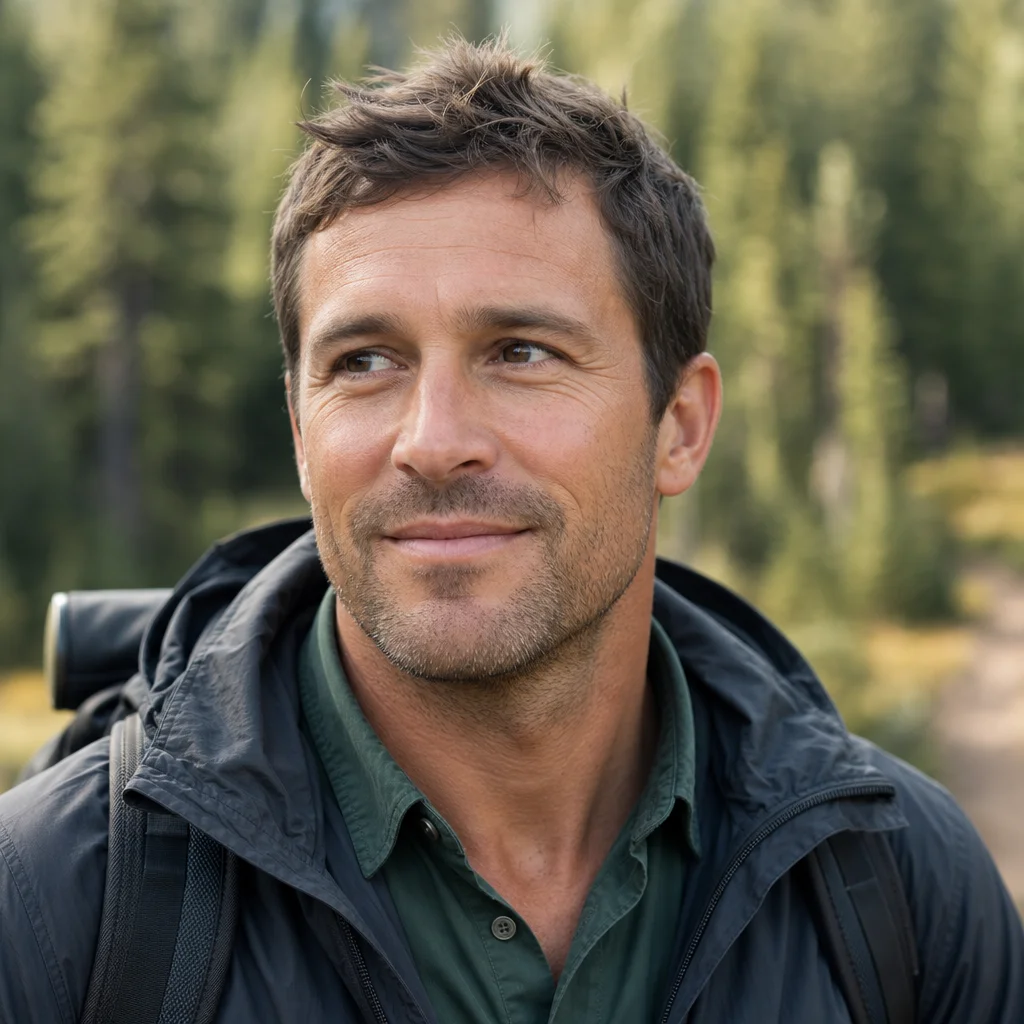
A cancellation the night before can turn a well-planned trip into a different trip entirely. The route may still be manageable, but your transport, permits, emergency plan, food carry, and tolerance for risk may no longer fit a solo outing.
The important question isn't simply, “Can I still go?” It’s, “Does this trip still make sense under the new conditions?” A calm reassessment will help you decide whether to go alone, find another partner, shorten the trip, or postpone it.
Start with a proper reset
Give yourself a few minutes to set aside the original plan. You were planning for two people, and that affects more than companionship.
A partner may have been carrying shared safety equipment, navigating, driving, filtering water, or providing a second opinion when conditions changed. You may also have chosen a route because it was suitable for a pair rather than enjoyable or sensible alone.
Write down the trip as it now exists:
- Number of nights and kilometres
- Trailhead and exit points
- Transport arrangements
- Permits, reservations, and fees
- Expected weather and daylight
- Water sources and food requirements
- Sections that involve scrambling, river crossings, route-finding, or exposure
- How and when someone will know you have returned
This turns an emotional last-minute decision into a practical one.
Check the logistics before the route
Reassess permits and reservations
Some permits are issued to a named person, while others apply to a group or require the party size to be updated. Campsite reservations, shuttle bookings, parking arrangements, and hut spaces may also have their own rules.
Don't assume that removing one person is automatically acceptable. Check the current information from the relevant park, land manager, hut operator, or transport provider. If your partner was the permit holder or driver, you may need to make a change before leaving.
Confirm your booking details: Before you head out, check the current permit, reservation, shuttle, parking, and party-size requirements with the official provider. Also confirm whether a cancellation, transfer, or change to the group size affects your booking.
A change in party size can also affect fees. Those costs may be minor, but discovering a problem at the trailhead is an unnecessary way to begin a difficult day.
Solve the transport problem independently
Transportation often becomes the real trip-ending issue. If your partner was driving, ask whether you have a reliable way to reach the trailhead and return from the exit point. A taxi or rideshare may not be available in a remote area, and public transport schedules can change seasonally.
Think through the entire chain, not just the first leg:
- How will you get to the trailhead?
- Where will you leave your vehicle, and is parking permitted?
- How will you return if the route takes longer than planned?
- What happens if a shuttle is full, delayed, or cancelled?
- Can you safely manage the walk from the trailhead with your full pack?
If the plan depends on a connection that has no realistic backup, postponing may be the sensible choice.
Reconsider the route, not just the company
A route that feels straightforward with a partner can be substantially more demanding alone. This is especially true when the trip involves exposed terrain, difficult navigation, long distances between water sources, or a remote exit.
Break the route into its meaningful risks rather than judging it by total distance alone. Consider:
- How easy it is to lose the trail
- Whether there are reliable landmarks or navigation aids
- The consequences of a twisted ankle or fall
- How quickly you could reach help
- Whether you can turn around at each major decision point
- The amount of daylight available for delays
- Whether poor weather would make the route unsafe
A solo trip should generally give you more margin, not less. You may want to choose a shorter route, camp closer to the trailhead, use a familiar area, or turn a multi-day trip into a day hike.
Pay attention to objective hazards
Some hazards are difficult to manage alone even for experienced backpackers. Examples include steep snow travel, moving water, technical scrambling, unstable slopes, complex glacier terrain, and routes where a fall could have serious consequences.
Experience helps with judgement, but it doesn't remove the consequences of an accident. If the route depends on your partner belaying, spotting, navigating, carrying essential equipment, or getting help quickly, don't try to recreate the original plan by yourself.
Current conditions matter as well. Weather, wildfire activity, flooding, closures, insects, snowpack, and trail damage can change the level of risk between the time you planned the trip and the time you leave. Check the latest information from the appropriate official sources and adjust the route accordingly.
Decide whether you need a replacement
Finding another partner can work, but the timing creates its own concerns. Don't invite somebody simply because they are available. They should understand the route, pace, conditions, equipment expectations, and decision-making involved.
Before agreeing, discuss:
- Their relevant experience
- Fitness and expected pace
- Navigation ability
- Medical or dietary needs
- Comfort with the forecast and route hazards
- What equipment each person will bring
- How you will handle an early turnaround
A new partner should make the plan safer or more practical, not add uncertainty. A last-minute companion who has never backpacked, doesn't have suitable gear, or feels pressured to keep up may leave both of you in a worse position.
If you do find someone, simplify the trip where possible. Use a route with clear navigation, reliable water, straightforward transport, and an easy exit. This isn't the time to add an ambitious summit or an unfamiliar shortcut.
Make a deliberate solo decision
Going alone can be reasonable when the route is familiar, conditions are stable, navigation is uncomplicated, and you have enough time and equipment to handle a problem without immediate assistance. It should be a conscious choice rather than the default result of a cancellation.
Ask yourself a few direct questions:
- Would I choose this route for a solo trip if I had planned it that way?
- Can I manage every essential task alone, including navigation and camp setup?
- Can I carry the required safety and repair equipment?
- Do I have a realistic response plan for injury, illness, or a delayed exit?
- Will I stay within my abilities if the weather worsens?
- Am I still looking forward to the trip, or am I trying to avoid feeling disappointed?
That last question matters. Frustration can make a poor plan feel more attractive than it really is. There is no failure in changing the route or staying home when the circumstances have changed.
Update your safety plan
Tell a reliable person exactly what has changed. Give them your route, trailhead, vehicle details, campsites, expected return time, and the point at which they should contact emergency services or the relevant authorities if you haven't checked in.
A vague message such as “I'm going hiking for a couple of days” isn't enough. Include the route you actually intend to follow, not the original itinerary.
Carry navigation tools that work without mobile coverage, along with a charged phone and a power bank. Depending on the remoteness and conditions, a satellite messenger or personal locator beacon may be appropriate. Learn how your device works before leaving; owning one isn't the same as having an emergency plan.
Review the first-aid kit, emergency shelter, insulation, water treatment, headlamp, and repair supplies. With one person instead of two, you may need to carry equipment your partner was originally bringing. A lighter pack is useful, but not at the cost of essential safety gear.
Know when postponing is the right call
Postpone the trip if the cancellation exposes a major gap in transport, permits, route knowledge, communication, or emergency response. Also reconsider if the forecast is deteriorating, you are overtired, or the only way to proceed is by rushing preparation.
A postponed trip isn't wasted. You can use the time to choose a more suitable solo route, arrange a reliable partner, confirm current conditions, and leave with a plan you actually trust.
If you still want to get outside, replace the original trip with a lower-consequence option: a nearby campground, a well-travelled day hike, or an overnight route with multiple exits. You preserve the habit without forcing the original itinerary to fit circumstances it was never designed for.
Make the decision in three steps
Before committing, use this simple sequence:
- Confirm the logistics. Verify permits, bookings, transport, access, and current closures.
- Match the route to the new party. Reduce distance, technical difficulty, remoteness, or commitment if needed.
- Choose the option with the most margin. Go alone, find a suitable replacement, or postpone based on the plan—not on disappointment.
Your backpacking partner's cancellation changes the trip, but it doesn't have to ruin your plans. The useful response is to reassess honestly, simplify where appropriate, and leave only when the revised trip is one you can manage safely and confidently.