The Morning I Left Camp Too Late—and the System I Use Now
A practical, first-person account of how a slow camp morning can quietly consume valuable daylight, followed by a repeatable breakfast and packing system that keeps beginners moving without skipping important safety tasks.
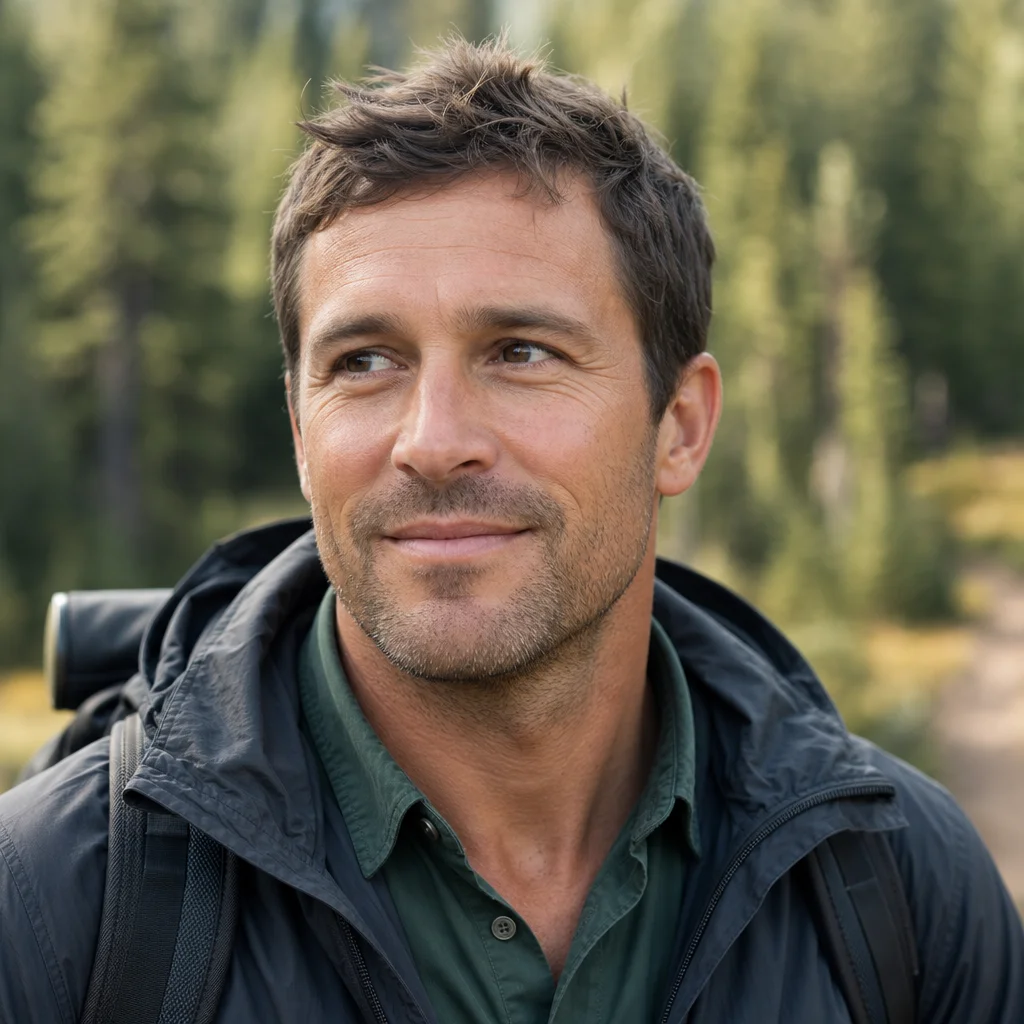
The problem wasn't one spectacular mistake. I didn't sleep through an alarm, lose a boot, or discover that my stove was out of fuel. I simply let the morning expand.
Breakfast took longer than expected. I repacked a food bag that had been perfectly fine the night before. Then I sat down for “just a few minutes” while the coffee cooled. By the time camp was packed, the sun was well up and the easy, cool hours of the morning were behind me.
Leaving late doesn't always ruin a trip. Sometimes the next campsite is close, the weather is stable, and the route is forgiving. But a delayed start reduces your options. It leaves less time for navigation, water collection, breaks, unexpected route-finding, and setting up camp before dark.
That morning taught me that a good start isn't about rushing. It's about removing small decisions before they pile up.
Why camp mornings take longer than expected
A backcountry morning has more jobs than it appears to have. You need to wake up, get warm, prepare food and drinks, eat, clean up, pack your sleeping system, deal with rubbish, check the site, and prepare yourself for the trail.
None of these tasks is especially difficult. The delay comes from switching between them without a plan.
I might start boiling water, then remember that I need to find my mug. While the stove runs, I look for a clean shirt. Then I notice condensation on the tent and decide to let it dry. Each choice is reasonable, but the sequence becomes inefficient.
Food can be another time sink. A simple breakfast becomes slow when it involves several pots, a complicated recipe, or ingredients scattered through different bags. Cleaning up takes longer when there isn't a clear place for leftovers and rubbish.
The biggest trap is treating every morning as if it will be an easy morning. A calm campsite, good sleep, and a short route can encourage you to put off decisions until later. Then a small problem—a damp tent, a missing water source, or a difficult section of trail—uses the time you thought you had.
The morning system I use now
My routine starts the evening before. The goal isn't to make camp feel like a military exercise. It's to make the first hour predictable enough that I don't have to solve basic problems while I'm still half-awake.
1. Decide what “on the trail” means
I choose a realistic departure time before I cook dinner. “Leave early” is too vague. A specific time gives the morning a shape.
I also work backwards from that time. If I want to be walking at 7:30, I ask what needs to happen beforehand:
- eating breakfast
- making and drinking a hot beverage, if I want one
- washing or wiping the cooking equipment
- packing the sleeping system
- drying or storing the shelter
- checking the campsite
- getting dressed and ready to hike
This reveals whether the departure time is realistic. If I know packing takes 45 minutes and breakfast takes 30, waking at 7:00 won't produce a 7:30 start. The arithmetic is simple, but making it in the evening is much easier than making it in the morning.
2. Put morning items where I can reach them
Before bed, I keep the next morning's essentials together. That usually includes my stove and fuel, mug or pot, breakfast, spoon, water, and the clothes I plan to wear.
I don't need to lay out every item like a display. I just want to avoid searching through a dark shelter for one small object.
Food is especially worth organizing. If breakfast needs several ingredients, I group them in one bag. If it only needs hot water, I make sure the meal and cooking equipment are beside each other. The aim is to reduce the number of decisions between waking up and eating.
I also keep anything that mustn't get wet or cold—such as electronics, medication, or insulation—protected and in the same place each night. A consistent home for important items prevents a frantic search when the weather changes.
3. Use a simple breakfast on travel mornings
A trail breakfast doesn't need to be impressive. On a morning when I have distance to cover, I favour food that is quick, familiar, and easy to clean up.
That might be an instant hot cereal, a breakfast bar, dried fruit and nuts, or another meal that requires little preparation. The right choice depends on your appetite, dietary needs, and how your body responds to hiking early in the day.
I save elaborate breakfasts for shorter days or rest days. There is nothing wrong with cooking a proper meal, but it should be a deliberate choice rather than something that quietly consumes the departure window.
A useful test is to prepare the breakfast at home and time the whole process—not just the boiling water. Include opening the food, eating it, cleaning the pot, and packing everything away. The result is usually longer than expected.
4. Pack in a consistent order
I pack my gear in roughly the same order every morning. Consistency makes it easier to notice what is missing and reduces the temptation to empty the entire pack while looking for one item.
My general sequence is:
- Put away the sleeping bag or quilt and sleeping pad.
- Pack clothing and other soft items that won't be needed soon.
- Store the shelter once it has been checked for moisture and debris.
- Pack the cooking system and food rubbish.
- Fill accessible pockets with items needed during the first part of the hike.
- Do a final check of the campsite and surrounding ground.
The exact order isn't important. The repeatability is.
I keep daytime essentials near the top or in external pockets: water, navigation tools, rain gear, snacks, and a warm layer. I don't want to unpack half my bag at the first rest stop.
5. Build in a drying decision
A wet shelter can complicate the morning. Sometimes I can give it a few minutes to dry while I eat. Sometimes the weather is getting worse or the route demands an early start, so I pack it wet and deal with it during the next suitable break.
The important part is deciding rather than drifting. I ask whether waiting will meaningfully improve the shelter and whether the lost time matters today. If I pack it wet, I keep it separate from dry gear and make a plan to air it out later.
This is one reason I don't set a departure time with no margin. A few minutes for condensation or rain is normal, not a failure of the system.
Check the morning’s real constraints
Before settling into your routine, confirm the conditions that could change your timing: the day’s weather, daylight, water availability, route difficulty, and any current local closures or restrictions. If the forecast or route information is uncertain, leave more margin rather than counting on a perfect start.
The final five-minute check
Once the pack is on, I stop. This pause is part of the routine, not a delay.
I check that I have my phone or other navigation tools, water, food, rain gear, first-aid supplies, and any medication. I confirm that the stove is off and cool, fuel is secured, and rubbish has been collected. I look over the ground for small items such as tent pegs, tent lines, a spoon, or a bright piece of packaging.
I also check the campsite itself. I want to leave it as I found it, while following the local rules for human waste, fires, food storage, and rubbish. Those requirements vary between parks and regions, so I don't assume that the routine from one trip applies everywhere.
This check has saved me from leaving with an incomplete setup more than once. It also protects the quality of the trip: forgetting a small item at camp can create a much larger problem later.
What I changed about time
I used to treat my planned departure time as an aspiration. Now I treat it as an appointment with a buffer.
If I want to leave at 7:30, I might aim to be fully fed and mostly packed by 7:15. That extra time gives me room for a wet shelter, a slow stove, or a morning when I simply move more slowly than expected.
I don't try to recover every lost minute by hiking recklessly. If I'm late, I reassess the day. I might shorten a break, adjust the destination, or choose a more conservative route. A delayed start is information about the day ahead, not a reason to ignore fatigue, weather, or navigation problems.
The same principle applies to safety tasks. I won't skip checking the weather, treating water appropriately, carrying essential layers, or confirming the route just to claim an early departure. The system is meant to protect those tasks by making the ordinary jobs more efficient.
A routine worth practising at home
You don't need to wait for a multi-day trip to test this. Set up your shelter or sleeping area at home, use the breakfast you plan to carry, and time the complete morning from waking to being ready to walk.
Notice where the minutes go. Is breakfast complicated? Are your clothes buried? Do you repack the same bag repeatedly? Does drying the shelter take longer than expected?
Fix one bottleneck at a time. Group the food, change the packing order, or prepare the first day's clothing before bed. After a few trips, the routine becomes familiar without becoming rigid.
The lesson I took from leaving camp too late is straightforward: mornings improve when I make fewer decisions in them. A simple breakfast, a known packing order, a realistic departure time, and a final campsite check give me a better chance of using the day well.
The next time you camp, choose your departure time the night before, organize the morning's essentials, and add a small buffer. You may still leave later than planned occasionally. But you'll know why—and you'll have a sensible way to respond.