How to Pass Other Hikers on Narrow Trails Without Making It Awkward
A practical guide to passing hikers on narrow trails, with simple advice for communication, right-of-way, pack animals, steep terrain, and exposed sections.
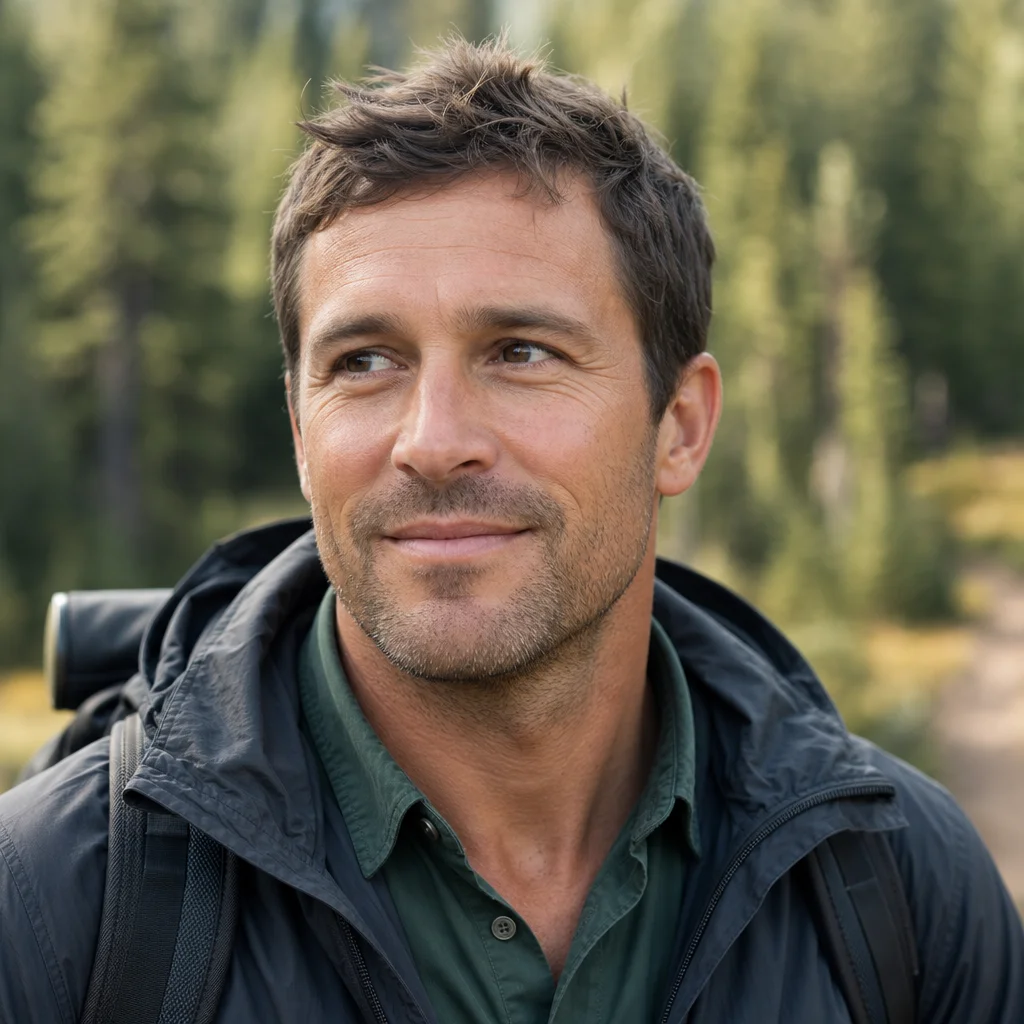
Most trail encounters are easy: someone steps aside, the other person says thanks, and everyone carries on. Narrow paths become awkward when both groups stop in the same place, nobody knows who should move, or a heavily loaded pack meets a faster day hiker on a steep slope.
The good news is that trail etiquette is mostly a matter of making your intentions clear and giving one another enough time and space. A calm greeting, a sensible choice of passing place, and a little patience will solve most encounters.
Start by communicating early
Don't wait until you're close enough to touch packs before saying something. As soon as you can see another person clearly, make eye contact if possible and offer a friendly greeting. On a quiet trail, a simple “Hi there” is usually enough to signal that you've noticed them.
If the trail is too narrow for two people, add a direct but polite question:
- “Which way would you prefer to pass?”
- “Are you heading uphill or downhill?”
- “Would it be easier to pass at that wider spot ahead?”
This removes the silent guessing game. It also gives the other hiker a chance to explain something you mightn't have noticed, such as a sore knee, a nervous dog, or an unstable section of trail.
Keep your voice calm and conversational. Shouting across a short gap can sound more urgent than you intend, while saying nothing may leave both groups hesitating. If visibility is poor around a bend, blind corner, or dense vegetation, slow down and announce yourself before moving into the section.
Look for a proper passing place
The best passing spot is a stable, reasonably level section with enough room for packs to clear each other. A small widening in the trail is often better than forcing one person into loose gravel or steep vegetation.
Avoid stepping onto:
- Unstable edges, eroded banks, or loose scree
- Wet roots, slick rocks, or muddy slopes
- Sensitive plants and fragile alpine vegetation
- The outside of an exposed traverse
- Areas where a misstep could send someone into water or down a slope
If a wider section is only a few steps away, suggest waiting for it. “There’s a good spot just ahead—would you like to use that?” is more useful than simply stopping and hoping the other person understands.
When you step aside, place both feet securely and keep your pack under control. A large pack can swing into the trail even when your body is out of the way. Trekking poles should be planted where they won't trip someone, and dangling gear should be tucked in.
Who should yield?
There isn't one universal rule for every trail in North America. Local trail signs, park guidance, and established customs take priority. In many hiking areas, the person travelling uphill is given the opportunity to continue because stopping and restarting on a steep grade can be tiring and awkward. That convention is useful, but it isn't absolute.
The downhill hiker may have better visibility, a wider place to step, or a safer way to move aside. A person carrying a child, managing an injury, or travelling with a nervous dog may also need extra room. The practical goal isn't to win a right-of-way argument; it is to make the safest choice for the conditions in front of you.
Check the trail’s local etiquette: Before setting out, look at the current guidance for the park, trail system, or land manager. Confirm any posted right-of-way rules, seasonal restrictions, and special instructions for hikers, cyclists, and stock animals, since these can differ between locations.
If you're unsure, ask rather than assume. “Would you like to keep going uphill?” takes seconds and usually prevents an uncomfortable standoff.
Make the pass predictable
Once you've agreed who will move, keep the manoeuvre simple. The person yielding should choose a stable place, face the trail, and allow the other group to pass without squeezing through a dangerous gap.
If you're the one passing, slow down. Don't rush past with trekking poles swinging or a shoulder brushing the other person's pack. Say “passing on your left” only when you mean it and the trail layout makes that direction clear. On a winding or sloped path, “Can I come by when you're ready?” is often less confusing.
People travelling in groups should avoid spreading across the full width of the trail. The group can gather on one side at a wider spot, allowing the passing hikers to move through without weaving between people.
After the pass, a quick “Thanks” or “Have a good hike” is enough. There is no need to turn the encounter into a formal exchange. A little warmth makes the next narrow section feel less tense for everyone.
Give pack animals extra space
Horses, mules, llamas, and other pack animals need more consideration than hikers. They can be startled by sudden movement, unfamiliar equipment, or people appearing around a bend. If you see a mounted rider or a pack train, stop well before the animals reach you and ask what they would like you to do.
Usually, the safest approach is to move to the side indicated by the rider or handler, remain still, and let the animals pass. Don't approach from behind, reach towards an animal, or try to squeeze past while it is moving. Keep dogs close and quiet. Remove headphones so you can hear instructions and hoof movement.
If the trail is exposed or there is no safe place to stand, tell the handler what you can see and follow their directions. They may ask you to continue to a wider section, or they may need to manage the animals themselves. A calm voice and slow movements are more helpful than trying to guess.
Cyclists and trail runners also need early communication. A bike can approach quickly and may have less room to manoeuvre on a narrow trail. Step aside only when the cyclist has slowed and you have agreed on a safe passing point. If you're the cyclist or runner, announce yourself early, reduce speed, and don't expect a hiker to jump off the trail.
Handle steep and exposed sections carefully
On a steep trail, the person with the safer position should generally avoid making a sudden move just to satisfy an informal etiquette rule. If one hiker is on a secure, level patch and the other is standing on loose ground, let the person in the less secure position reach safety before passing.
On an exposed traverse, keep to the side that offers the most protection from the drop, when the trail design and local guidance allow it. Don't ask someone to step towards an edge simply because it appears to be the shorter solution. If neither person has a secure place to yield, communicate clearly and move only when both people are ready.
For a steep ascent or descent, trekking poles can make stepping aside less stable. Plant them firmly, shorten or lengthen them as needed, and avoid leaving pole tips in the middle of the trail. If you need to remove a pack or adjust equipment, do so well away from the narrowest point rather than blocking the route.
Weather can change the right answer. Snow, ice, rain, mud, and strong wind may make a normally harmless passing place unsafe. Slow down, reassess, and be willing to wait. A minute of patience is preferable to a slip caused by rushing an awkward pass.
When the other person doesn't cooperate
Occasionally, someone will approach quickly, refuse to communicate, or stop in an inconvenient place. Try not to match their impatience. Step back to a secure position, state what you need, and avoid sarcasm.
You might say, “I need a stable place to move aside. Can we use that wider section?” If the person is already passing, keep your pack and poles close, give them room where you safely can, and don't attempt to squeeze through at the same time.
If a group is blocking the trail for a break, a polite “Could we get by when you have a moment?” is usually all that's required. When the trail is busy, remember that people may be tired, distracted, or unfamiliar with local customs. Clear communication works better than assuming bad intentions.
A simple habit to remember
When you see another trail user, use this sequence:
- Notice early. Slow down before the encounter becomes tight.
- Greet and communicate. Say hello and make your intended movement clear.
- Choose safety over habit. Look for stable, level ground rather than blindly applying a right-of-way rule.
- Give vulnerable users more room. This includes pack animals, children, injured hikers, and anyone on exposed ground.
- Pass slowly. Keep poles, packs, dogs, and loose equipment controlled.
- Thank the other person. A brief, friendly ending keeps trail etiquette from feeling formal.
The aim isn't to perform perfect trail manners. It is to make the next few seconds predictable and safe. Communicate early, yield where it makes sense, and never trade secure footing for the sake of passing quickly. Those habits will carry you through most narrow-trail encounters, whether you're walking through a busy regional park or deep into a backcountry route.