How to Build a Three-Season Packing List for Unpredictable Maritime Weather
A practical method for building a three-season backpacking list for Atlantic Canada, where wind, rain, fog, and temperature swings can make a standard spring, summer, or autumn checklist unreliable.
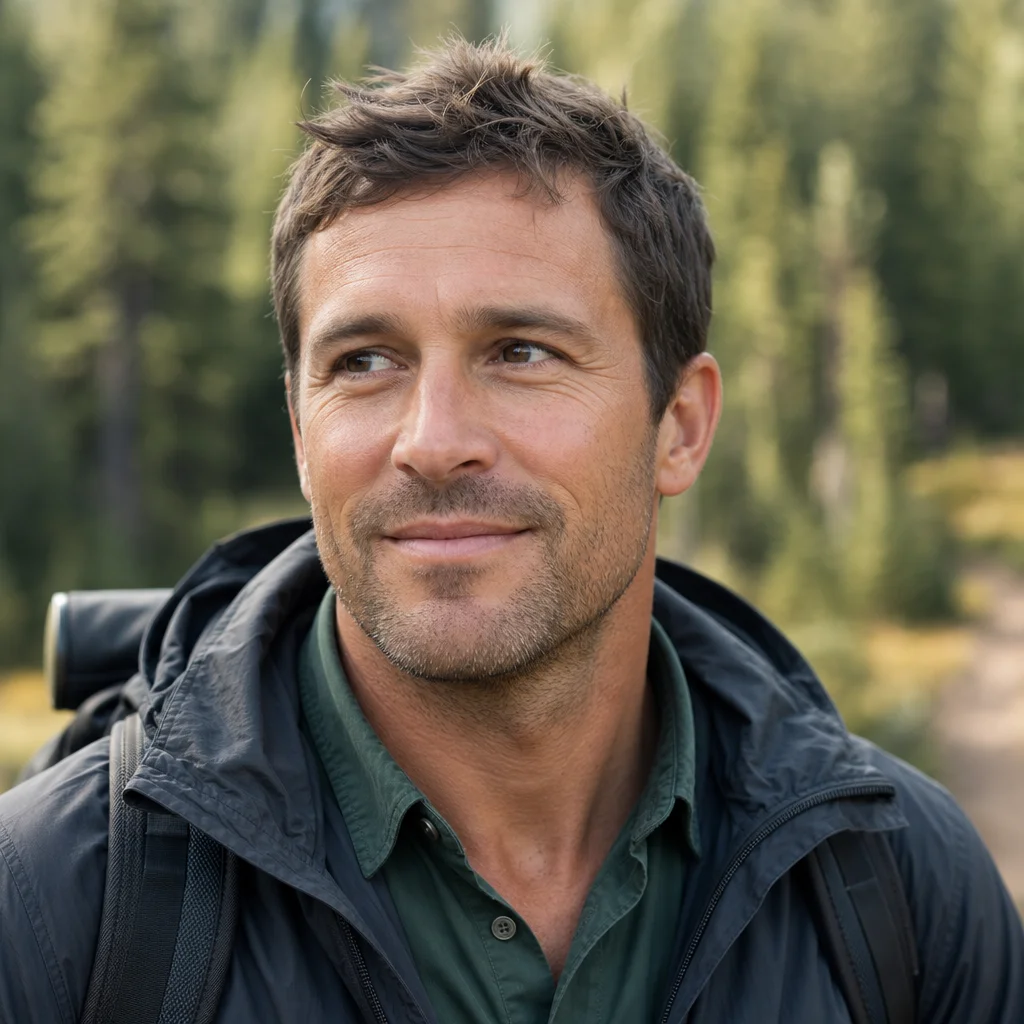
A three-season trip in Atlantic Canada rarely follows the neat boundaries of spring, summer, and autumn. A warm forecast can still bring cold rain. A calm morning may become windy by afternoon, and coastal fog can make a familiar route feel unfamiliar. Even in midsummer, exposed ridges and shorelines may feel much colder than the trailhead.
The answer isn't to pack everything. It’s to build a list around the conditions that would make your trip uncomfortable or unsafe, then add a few flexible items for the forecast you’re most likely to encounter.
Start with the trip, not the season
“Three-season” is a useful category for gear, but it’s too broad to determine a packing list on its own. A May trip through sheltered forest, a July hike along an exposed coast, and an October route through wet bogs may all need different equipment.
Before making a list, write down:
- The expected daytime and overnight temperatures
- The route’s most exposed sections
- Whether you’ll camp near the coast, in forest, or at elevation
- The likely amount of rain and wind
- The distance between reliable water sources
- How long you’ll be away from roads or help
- Whether the route is maintained, marked, or difficult to follow
- The consequences of becoming wet, cold, injured, or delayed
This gives you a better starting point than simply searching for a “summer packing list”. A sheltered campsite may let you leave some wind protection behind. An exposed coastal route usually won’t.
Check the conditions for your route: Before you finalize your list, compare the current forecast with any park notices, route updates, fire restrictions, and water advisories that apply to your specific area. Check again shortly before leaving, since coastal conditions can change quickly.
Use a clothing system instead of one heavy item
The most adaptable clothing system has three jobs: move moisture away from your skin, provide insulation, and protect you from wind and rain. Each layer should still be useful if the forecast is wrong.
Base layer
Choose a quick-drying synthetic or wool base layer for your upper body. Avoid cotton for hiking and sleeping because it holds moisture and loses warmth when wet.
For the legs, lightweight hiking pants are usually more versatile than shorts in Atlantic Canada. They offer some protection from brush, insects, and cool wind. If you prefer shorts in warm weather, pack lightweight trousers or rain pants as a backup.
Bring a spare pair of hiking socks, and consider a second dry pair reserved for sleeping. This small comfort can make a damp evening much easier.
Insulation layer
A light fleece, synthetic jacket, or down jacket can provide warmth at camp and during breaks. Down is light and compressible, but it needs protection from prolonged dampness. Synthetic insulation is often more forgiving for wet maritime conditions.
The right warmth level depends on the forecast, your sleeping bag or quilt, and how exposed the route is. Don’t plan to use your rain jacket as your only warm layer. It blocks wind, but it doesn’t replace insulation.
A lightweight toque and gloves are easy to overlook when packing for July. They can be valuable on a cold, windy night, particularly near the coast or on an exposed ridge.
Rain and wind protection
A waterproof-breathable rain jacket is one of the most important pieces in this environment. It should fit over your insulation layer, have a hood that stays in place, and be comfortable enough to wear while hiking.
Rain pants are more useful when the forecast calls for sustained rain, strong wind, or wet vegetation. They also make a meaningful difference at camp when you need to move around in poor weather. For a short trip with a stable forecast, some hikers choose to leave them behind, but that decision should reflect the route—not the calendar.
A poncho, pack cover, or waterproof pack liner can protect your equipment. A pack cover alone may not keep rain out of every pocket, so I prefer to place clothing and sleeping gear in individual waterproof bags or a large liner inside the pack.
Pack for a wet night, not just a wet hike
A rainy hiking day is inconvenient. A wet sleeping system can become a serious problem. Keep your shelter, sleeping bag or quilt, and spare clothing protected even while you’re using the rest of your gear.
Your shelter should handle the wind and precipitation expected on the route. Check that the tent or tarp has enough space for you and your equipment, that the rainfly provides adequate coverage, and that you know how to pitch it before the trip. Practise using the shelter in poor weather rather than learning at dusk beside a windy campsite.
For the sleep system, consider:
- A sleeping bag or quilt rated for conditions with a sensible margin, rather than exactly matching the average low
- An insulated sleeping pad appropriate for the ground temperatures you expect
- A waterproof liner or pack system to keep the bag dry
- Dry sleep clothing kept separate from hiking clothes
- A warm hat if you tend to lose heat at night
Temperature ratings aren't guarantees of comfort for every person. Wind, dampness, fatigue, clothing, and the insulation beneath you all affect how warm you feel. If you’re uncertain, adding a warmer layer or choosing a more forgiving sleep system is usually simpler than trying to improvise warmth at camp.
Prepare for wind, fog, and difficult navigation
Maritime weather can reduce visibility as well as temperature. Fog, heavy rain, low cloud, and early darkness all make navigation more demanding.
Carry a map and compass, and know how to use them. A phone with offline maps is useful, but it shouldn't be your only navigation method. Keep electronic devices protected from rain and cold, and bring enough battery capacity for the length and remoteness of the trip.
On routes near the coast, pay attention to exposure. A path that is comfortable in calm weather may feel very different in strong wind or poor visibility. Don’t rely on the edge of a cliff, shoreline, or headland as a navigation aid when fog obscures the terrain.
A headlamp belongs in every overnight pack, even for a short summer trip. Delays happen, and daylight fades earlier than expected in autumn. Pack spare batteries or a fully charged backup, depending on the model you use.
Build a simple kitchen and water plan
Your cooking system doesn’t need to change dramatically for maritime weather, but your contingency planning should. Wet fuel, wind, and cold hands can make a simple meal frustrating.
Bring a stove that you know how to operate, a windscreen that is appropriate for that stove, and a lighter protected from moisture. Carry a second fire-starting method in a waterproof container. Never use a stove inside a tent or other enclosed shelter because of fire and carbon monoxide risks.
Choose meals that are easy to prepare if you arrive late or soaked. Instant grains, noodles, dehydrated meals, soup, and hot drinks can be practical in poor weather. Pack one snack or meal that requires no cooking in case you need to keep moving or can't safely use the stove.
Water planning also needs to be route-specific. Streams and ponds may be seasonal, unreliable, contaminated, or affected by local advisories. Carry enough capacity for the gaps between sources, plus a treatment method you know how to use. Check current information for the park or route rather than assuming every visible water source is suitable.
Don’t forget the small weather-related items
A few inexpensive items can prevent minor problems from becoming trip-ending annoyances:
- Waterproof bags or a pack liner
- A small repair kit with tape, cord, and patches
- Sunscreen and sunglasses, even on cloudy days
- Lip balm and hand protection
- Insect repellent and a head net when bugs are active
- Blister treatment and basic first aid
- A sit pad or extra groundsheet for damp campsites
- A small towel or cloth for condensation and wet gear
- Gaiters if the route includes boggy ground, mud, or wet brush
Mosquitoes, blackflies, and other biting insects vary considerably by location and time of year. Pack protection based on the route and recent conditions, not just the month. Long sleeves, trousers, repellent, and a head net can be more useful than trying to tolerate insects until camp.
Apply the “cold, wet, delayed” test
Once your list is assembled, test it against three simple scenarios:
- Cold: Could I stay warm if the temperature drops below the forecast?
- Wet: Could I keep my insulation and sleeping system dry after several hours of rain?
- Delayed: Could I safely spend several extra hours on the trail or reach camp after dark?
If the answer is no, look for a small, efficient adjustment. That might mean adding rain pants, replacing a cotton layer, carrying more fuel, or using a warmer sleeping bag. It doesn’t necessarily mean adding another large piece of gear.
At the same time, remove duplicate items. Two bulky warm jackets, several changes of daytime clothing, or multiple cooking options add weight without necessarily adding useful flexibility. Every item should have a clear job, and important items should ideally serve more than one purpose.
Make a final forecast-based adjustment
Build your core list once, then make a small adjustment for each trip. The core should cover navigation, shelter, sleep, food, water, first aid, communication, and protection from rain and cold. The forecast adjustment might change insulation, rain gear, traction, insect protection, or water capacity.
Review the forecast close to departure and again at the trailhead if you have service. If conditions are beyond what your equipment and experience can handle, changing the route or postponing the trip is part of good planning—not a failure of it.
A sensible three-season list isn't the lightest possible list or the longest one. It is a list that keeps essential systems functioning when the weather stops behaving like the season on the calendar. Pack for the likely conditions, protect yourself against the plausible difficult ones, and leave enough flexibility to make a conservative decision when the coast serves up something different.