How to Backpack Quietly Without Treating Other People as a Nuisance
A practical guide to keeping your voice, music, camp chores, and travel habits considerate in shared backcountry spaces—without expecting every other hiker to disappear.
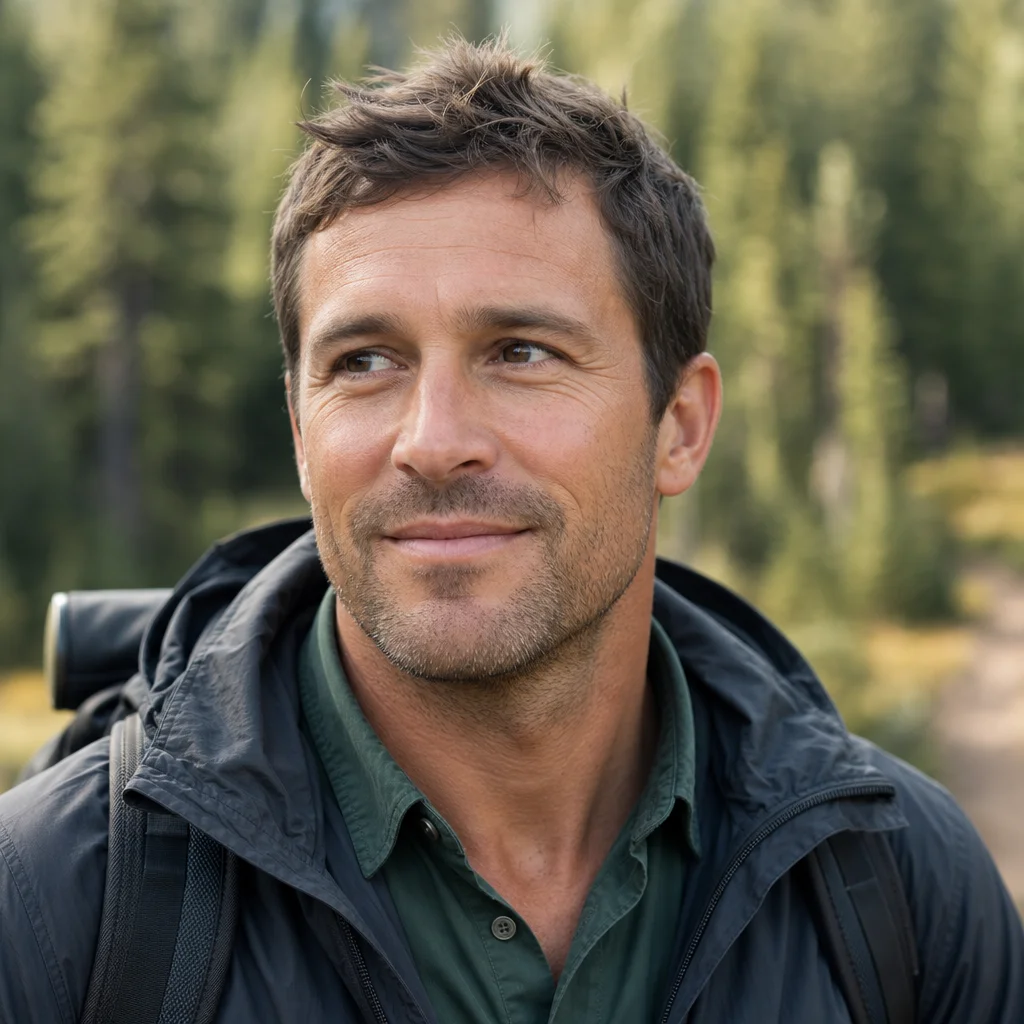
Solitude is one of the reasons many of us carry a heavy pack into the woods. A quiet trail can settle the mind in a way few other places manage. But most trails, campsites, and waterways are shared spaces, not private retreats. Other people may be looking for conversation, travelling with children, managing a nervous dog, or simply having a louder day than you are.
Backpacking quietly is less about demanding silence from everyone else and more about managing the noise you create. With a few practical habits, you can protect your own sense of calm while treating fellow hikers as neighbours rather than interruptions.
Start with a realistic definition of quiet
Quiet backpacking doesn't mean never speaking, dropping nothing, or moving like a ghost. Packs rustle. Stove pots clatter. Zippers catch. Someone will laugh at the wrong volume. That is normal human activity.
A useful goal is to keep your noise local, brief, and purposeful. Speak at a level that lets the person beside you hear without carrying your conversation down the trail. Do camp chores efficiently instead of repeatedly banging gear around. If you play music, keep it contained or use headphones. When you notice that sound is travelling, adjust rather than assuming everyone else should tolerate it.
This approach also leaves room for other people to be themselves. Quiet is a considerate choice, not a moral ranking. A group chatting around a fire isn't automatically behaving badly, just as a solo hiker wearing headphones isn't automatically unfriendly.
Keep your voice close to the people you’re speaking with
Voice is usually the most noticeable source of human-made noise in camp. The farther apart a group spreads, the more tempting it is to raise the volume. That is how one conversation becomes the soundtrack for half a campsite.
A few habits help:
- Gather close enough that you don’t have to project.
- Face the person you’re speaking to instead of calling across camp.
- Lower your voice in the early morning and later evening.
- Take animated conversations away from sleeping areas when practical.
- Avoid shouting trail updates unless there is a genuine safety reason.
If you’re hiking with a group, agree on a simple signal for “we’re getting loud.” It can be a hand gesture or a quiet word. This is kinder and more effective than waiting until someone outside the group complains.
At a busy campsite, you may not be able to control every sound around you. You can still choose where to sit, how close to gather, and whether a conversation needs to happen at full volume. A little spatial awareness goes a long way.
Treat music as a private choice
Music is personal, and that is precisely why it travels poorly in shared spaces. Your favourite playlist may be someone else’s unwanted company, especially when they came outside to hear wind, water, and birds.
Headphones are the simplest solution. Keep the volume low enough that you can still notice nearby people, wildlife, and important environmental sounds. Noise-cancelling headphones can make situational awareness more difficult, so consider whether they suit the setting and conditions.
If you use a speaker, keep it for places where other people have clearly chosen the same atmosphere, such as a private site with a group of friends. On a shared trail or in a quiet campground, speaker music should be the exception, not the default. A short song while cooking is still audible to others, particularly after dark.
Remember that music can be difficult to escape. Sound follows a lake, carries through a valley, and moves farther at night than you might expect. If you can hear your own music clearly from several steps away, assume someone else can hear it too.
Make camp chores quieter, not slower
Quiet doesn't require turning every task into a delicate ceremony. It helps to organize your gear so that chores take fewer movements and less searching.
Before setting up, decide where your shelter, kitchen, and pack will go. Put frequently used items in accessible pockets. Unroll your sleeping system before dark if possible, when there is less fumbling and fewer dropped objects. Keep a small repair kit and toiletries together rather than rummaging through every pocket at bedtime.
Metal cookware deserves particular attention. Set pots down instead of dropping them, and place small items on a folded cloth or spare clothing when you can. If you need to pack early, do the noisiest jobs away from sleeping areas and avoid turning a zipper problem into a five-minute tug-of-war.
Camp chores also include food preparation and cleanup. Scrape food from cookware before washing or wiping it, and keep loose packaging contained. Besides reducing noise, this helps prevent odours and scraps from becoming a problem for other campers and wildlife.
Check the site’s quiet expectations: Before settling in, look for posted quiet hours, campsite instructions, and local guidance on cooking, food storage, fires, and waste. These details vary between parks and regions, and following them is part of being a considerate neighbour.
Time your route with other people in mind
You can't always choose when you’ll meet other hikers, but timing can reduce unnecessary friction. Busy approaches, popular viewpoints, and short routes near road access tend to be most social during the day. If you want a calmer experience, an earlier start or a less popular route may help—provided the conditions and your navigation skills support it.
The key isn't to treat other hikers as obstacles to be avoided at all costs. Give people space where the trail allows, but don’t make unsafe choices to escape a conversation or pass a group quickly. Step aside in a durable spot, not on fragile vegetation or a steep edge. Let faster hikers pass when it’s safe, and communicate clearly if your group needs a moment.
At camp, arriving early can give you more choice over where to stay. Arriving late can mean setting up quietly and accepting that nearby campers may already be settled. If you know you’ll reach camp after dark, pack your shelter so you can pitch it without sorting every item under a headlamp.
Route timing should also account for your own limits. A quieter time of day isn't worth hiking beyond your ability, missing a safe campsite, or travelling in conditions you’re not prepared to handle.
Choose a campsite with sound in mind
When you have options, look for a site that naturally contains your activity. A sheltered spot may reduce how far conversation carries. Positioning your cooking area away from sleeping spaces can make evening cleanup less disruptive. Keep your group together rather than spreading chairs, bags, and conversations across the whole site.
Respect the layout of established campsites. Use designated areas where required, and don’t move into a site that appears occupied simply because no one is there at that moment. If several groups are sharing a camping area, leave reasonable passage and privacy between them.
In a less formal backcountry setting, choose durable ground and avoid creating new clearings just to gain distance from other people. A desire for solitude isn't a reason to damage the place that provides it.
Respond well when someone asks for less noise
Even considerate hikers misjudge how far sound carries. If another camper asks you to lower your voice or turn off music, the most useful response is simple: acknowledge it and adjust.
You don’t need to debate whether the sound was objectively loud. Shared spaces involve different thresholds, and a small change may solve the problem. If the request is unreasonable or aggressive, create distance and prioritize your safety. But in ordinary circumstances, defensiveness usually makes a minor issue larger.
The same principle applies when you need to speak up. Ask politely and specifically: “Could you keep the music down after quiet hours?” is more useful than “Some of us are trying to enjoy nature.” You’re addressing a behaviour, not judging a person.
Protect your own quiet without policing the trail
If your main goal is silence, build some flexibility into the trip. Carry earplugs, choose a tent site with a little separation, and plan breaks away from the busiest viewpoints. You can also make peace with occasional noise: a family talking at breakfast, a bear hang clinking in the wind, or hikers greeting one another on the trail.
That flexibility matters because public backcountry spaces belong to many kinds of users. Quiet is worth protecting, but it isn’t a licence to resent everyone who experiences the outdoors differently.
The most reliable standard is straightforward: make the least noise that serves what you’re doing, keep avoidable sound contained, and give other people the same freedom you want for yourself. Before your next trip, pack headphones or earplugs, organize your camp kit for fewer noisy searches, and check the local site expectations. Then let the trail provide whatever quiet it can.