How to Avoid Disturbing Nesting Birds on Spring Backpacking Trips
Practical ways for beginner and intermediate backpackers to recognize nesting habitat, keep a respectful distance, and adjust spring trips to reduce disturbance to breeding birds.
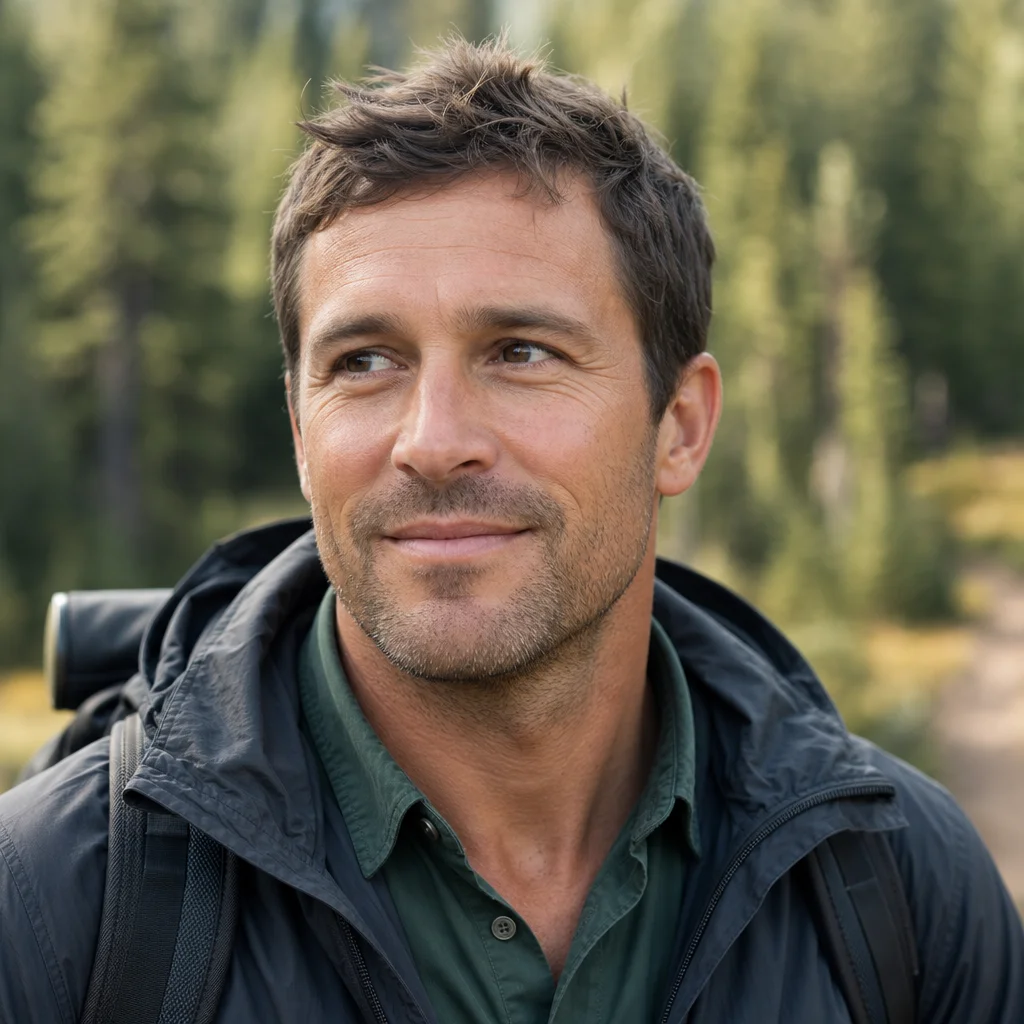
Spring is one of the best times to go backpacking: the days are getting longer, snow is retreating, and the forest is filling with birdsong. It’s also a season when many birds are using limited energy to find mates, build nests, incubate eggs, and feed young.
Most nesting birds are easy to disturb without meaning to. A photographer stepping off-trail, a dog nosing through brush, or a hiker lingering beside a songbird’s favourite tree can cause repeated alarm or force an adult away from a nest. One brief pass may not be serious, but repeated disturbance in a popular area can add up.
The good news is that avoiding trouble usually comes down to a few habits: plan around seasonal restrictions, stay on durable routes, watch bird behaviour, and give wildlife more room than you think it needs.
Learn when and where nesting is likely
Breeding seasons vary by species, elevation, latitude, and weather. In much of North America, spring and early summer are sensitive periods, but a bird nesting in a warm lowland forest may be on a different schedule from one breeding in an alpine meadow.
Nesting habitat also isn’t limited to mature forest. Birds may nest:
- On or close to the ground in grass, heath, dunes, or leaf litter
- In shrubs beside a trail
- In cavities in standing or fallen trees
- On cliffs, ledges, and riverbanks
- Around wetlands, marshes, and beaver ponds
- In open country where there may be very little cover
Before a trip, look at the area’s official park, forest, or conservation authority information. Seasonal closures and protected areas are often designed around known nesting colonies or particularly sensitive species. A route that was open last autumn may have a spring restriction, or a campsite may be temporarily unavailable.
Check the spring access details
Before you leave, confirm current trail, campsite, dog, drone, and wildlife restrictions with the land manager. Rules and closures vary between parks and can change with nesting activity, fire conditions, flooding, or other seasonal concerns.
Stay on the route, especially in habitat
The simplest way to reduce disturbance is to keep your feet on the established trail or a clearly designated campsite. Shortcuts through vegetation can cut across nests that are almost impossible to see.
This matters most in places with low or sparse vegetation. A ground-nesting bird may place its eggs in a shallow scrape among stones, moss, grass, or fallen leaves. The nest can look like part of the landscape until you’re standing right beside it.
Avoid widening a muddy trail by walking around puddles unless the route is genuinely unsafe. If you must leave the trail because of a hazard, move slowly, scan the ground, and use an already disturbed surface where possible. Don’t create a new path simply to get a better view, reach a viewpoint, or pass a group.
At camp, use established sites and keep cooking, washing, and hanging food within the developed footprint. Don’t move into nearby brush for privacy or pitch a tent beneath a tree that appears to be a convenient birdwatching spot. A little extra space around the site can make a meaningful difference.
Let bird behaviour set the distance
There’s no single distance that works for every species or setting. A large, open-nesting bird may tolerate a different approach distance from a small songbird in dense forest. Wind, terrain, cover, and the number of people also matter.
Instead of relying on a fixed number of metres, watch for signs that you’re too close. Back away if a bird:
- Repeatedly gives sharp alarm calls
- Flutters or circles near you rather than continuing normal activity
- Pretends to have a broken wing or tries to draw you away
- Stays frozen and unusually quiet while watching you
- Carries food but refuses to approach the nest
- Flushes from the same patch of ground more than once
- Makes repeated low passes or defensive flights
If you see these behaviours, stop advancing and retreat along your route. Move calmly and avoid standing around to identify the nest. The goal isn’t to find out exactly where the nest is; it’s to give the bird a chance to settle and return to normal behaviour.
A quiet bird isn’t necessarily a comfortable bird. Many species reduce their calls when a person is nearby, and some simply remain hidden until the perceived threat leaves. Lack of obvious alarm shouldn’t be treated as an invitation to approach.
Don’t search for nests, chicks, or fledglings
A nest is a poor destination, even when you’re interested in birds. Searching for one can cause more disturbance than an accidental pass, particularly if you repeatedly return to the same place or share its location with other hikers.
Be cautious around young birds on the ground. A feathered fledgling may be learning to fly while its parents continue to feed it from nearby. It may look abandoned, but picking it up can separate it from the adults and create additional stress.
Unless a bird is in immediate danger from a person, dog, or traffic, leave it where it is. Keep your distance, control pets, and let the adults handle the situation. If an injured bird genuinely needs help, contact the relevant wildlife authority or a licensed wildlife rehabilitator rather than trying to care for it yourself.
Never touch eggs, nests, or chicks. Even where handling doesn’t automatically cause abandonment, it can harm the animal and may violate wildlife protection rules.
Keep dogs, drones, and noise under control
Dogs can disturb nesting birds long before their owners notice anything. A dog running through shrubs or tall grass may flush adults, crush ground nests, or chase fledglings. Follow the local leash rules, and in sensitive habitat consider keeping your dog leashed even where off-leash travel is permitted.
Call your dog back before approaching wetlands, open meadows, shorelines, or brushy trail edges. A reliable recall helps, but it isn’t a substitute for a leash when wildlife is active.
Drones are particularly disruptive around cliffs, shorelines, and large nesting colonies. The noise and movement can cause birds to flush from ledges or abandon normal flight paths. Many parks and protected areas prohibit drones or restrict where they can be launched and flown. Don’t use one to inspect a nest or get an overhead photograph.
Loud music, shouting, and repeated playback of bird calls can also change bird behaviour. Birders sometimes use recordings to attract a species, but doing so near a nesting territory can draw an adult away from its normal routine or encourage several people to converge on the same spot. Keep playback off in sensitive habitat, and use quiet observation instead.
Photograph without turning a nest into a destination
A long lens lets you observe birds without approaching them. Set up well away from the area where the bird is showing alarm, remain still, and leave if its behaviour changes. Don’t block a trail, hide beside a nest, or ask other hikers to help you locate one.
Avoid geotagging a sensitive site or posting precise directions to a nest, colony, or roost. A location that seems harmless to one careful observer can attract many visitors after a photograph is shared.
If you’re photographing from a trail, keep your equipment compact enough that other users can pass safely. Wildlife viewing should never require strangers to step off-trail into potential nesting habitat.
Adjust your trip when habitat is sensitive
Sometimes the responsible choice is to change the itinerary. If a trail closure is in place, don’t look for a way around it. Choose another route, camp in a different area, or postpone the trip until the restriction ends.
You can also reduce pressure by travelling at less busy times, using less popular access points, and avoiding repeated day trips to a known nesting area. If your group is large, split into smaller groups only where the land manager allows it and where doing so won’t increase off-trail travel.
Spring conditions can make this easier in another way: early-season routes may still be muddy, snowy, or prone to flooding. Waiting for a durable surface protects both the trail and the habitat beside it.
If you accidentally disturb a bird
Don’t panic, chase the bird, or stay to see what happens. Stop, identify the safest way back, and leave the area quietly. If you know you’ve found a nest, don’t mark it with tape, stones, or a waypoint that could attract other people.
Report only what’s useful to the appropriate land manager—for example, a nest directly in a busy trail or a damaged closure sign. Avoid posting the exact location publicly. Follow any instructions from park staff or wildlife professionals.
The standard I use is simple: wildlife should be able to carry on normally after I pass. On a spring backpacking trip, that may mean giving up a photograph, taking the longer route, or choosing a different campsite. Those small decisions leave the trail quieter for the birds that depend on it—and make for a better trip in the long run.
Practical next steps
Before your next spring outing:
- Check current closures and seasonal rules for the exact park, forest, or conservation area.
- Plan to stay on established trails and use designated campsites.
- Pack a leash if you’re travelling with a dog, even if local rules vary by area.
- Keep binoculars or a long lens handy so you can observe from a distance.
- Learn the common alarm behaviours of birds in the region.
- Leave immediately if a bird repeatedly reacts to your presence.
A good spring route isn’t just one that gets you to the viewpoint. It’s one that lets you pass through breeding habitat without making the birds work harder to survive there.